Song Meaning
The lyrics paint a stark, almost biblical picture of a "new world" defined by primal sin and lawlessness. It’s a landscape where "criminals ran rampant" and the "land untamed" is literally "riddled with lust, greed, debauchery, and bullet-holes." This isn't just a rough frontier; it's a moral wasteland where the "ways of the west" are inherently corrupt and violent. The opening establishes a tone of grim inevitability, setting the stage for a singular force to emerge from this pervasive darkness.
The central tension arises from the sheer overwhelming corruption described. The "darkness of this landscape" isn't just a backdrop; it’s an active force, a pervasive moral decay. Into this void, the lyrics introduce a solitary figure, the only one capable of imposing order. This person is presented not just as a hero, but as a divine instrument, the sole arbiter capable of distinguishing "the right from wrong" in a world that has lost its moral compass.
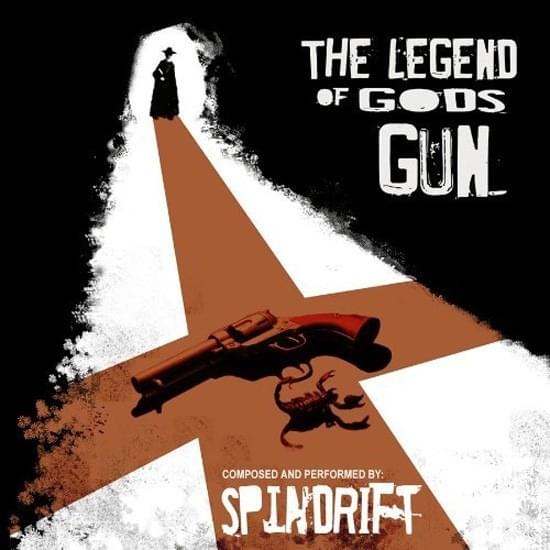
The most striking element is the introduction of "God's gun" as the ultimate solution. This phrase itself is a powerful juxtaposition, merging the sacred with the violent. It suggests that in this broken "new world," divine justice is not delivered through prayer or decree, but through lethal force. The "legend" isn't of a preacher or a judge, but of a weapon, implying that redemption or order can only be achieved through ultimate, decisive, and likely violent, action.
This lyrical construction is effective because it taps into a primal narrative of good versus evil, amplified by the extreme setting. The blunt imagery and the almost mythic framing of a single entity wielding "God's gun" create a potent, albeit bleak, vision. It suggests that in the face of utter depravity, only an equally absolute force can restore balance, making the legend resonate with a sense of desperate, violent necessity.
 View Artist