Song Meaning
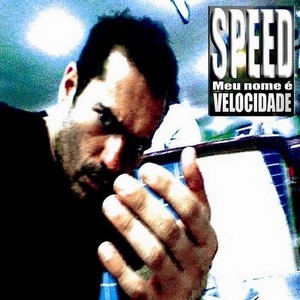
This brief exchange captures a moment of post-creation relief and mutual validation. The initial line, "Puta que pariu, chegamos, até que fim," expresses a raw, almost exhausted triumph, signaling the arduous completion of a project. It's a visceral release of tension, common after intense creative effort.
The second part of the statement, "O disco tá ruim não hein," injects a touch of self-doubt, a common companion to artistic endeavors. It's a tentative probe for reassurance, a question hanging in the air after the hard work is done.
Júlia Blum's response, "Ah amor, deixa de ser humilde vai," immediately dismisses the doubt with affectionate familiarity. Her affirmation, "Tá muito bom Speed," is direct and unequivocal, cutting through any lingering insecurity. The "Muah" seals the sentiment with a kiss, a gesture of warmth and genuine approval that underscores the collaborative spirit and shared success.
Ultimately, these lyrics resonate because they distill the complex emotions of finishing a creative project: the exhaustion, the vulnerability, and the profound comfort of being seen and appreciated by someone close. It's a small, intimate scene that speaks to the universal human need for validation after striving.