Song Meaning
The lyrics paint a picture of a narrator grappling with a deeply unsettling internal state, starkly contrasted with the titular phrase. The opening lines, "I am the only one / Can ride that horse, th'yonder," suggest a unique, perhaps burdensome, perspective or capability. This is immediately followed by the surreal image, "I'm full of bees who died at sea," which evokes a sense of trapped, dead energy and a profound, almost cosmic, despair. The repeated, almost taunting, refrain of "It's a wonderful life" feels like a desperate, ironic assertion against this overwhelming internal chaos.
The central tension lies in this jarring juxtaposition between the narrator's self-described condition and the cheerful, almost dismissive, chorus. The imagery shifts from the solitary, unrideable horse to a visceral internal landscape: "I wore a rooster's blood / When it flew like doves" presents a disturbing transformation of violence into something seemingly innocent, while "I'm a bog of poison frogs" conjures an image of stagnant, toxic life. These are not the markers of a "wonderful life" but rather of decay and hidden danger.
The bridge offers another sharp, almost childishly destructive image: "I'm the dog that ate your birthday cake." This specific act of transgression, a violation of celebration and innocence, further underscores the narrator's self-perception as a source of disruption and ruin. It’s a confession of sorts, a willingness to embody the role of the spoiler, making the repeated "wonderful life" feel increasingly hollow and performative.
Ultimately, the effectiveness of these lyrics stems from their commitment to bizarre, potent imagery that bypasses conventional emotional expression. The narrator doesn't state they are sad or troubled; instead, they embody it through surreal, unsettling metaphors. The persistent, almost defiant, repetition of "It's a wonderful life" transforms the phrase from an affirmation into a chilling, ironic lament, highlighting a profound disconnect between outward appearance and inner turmoil.
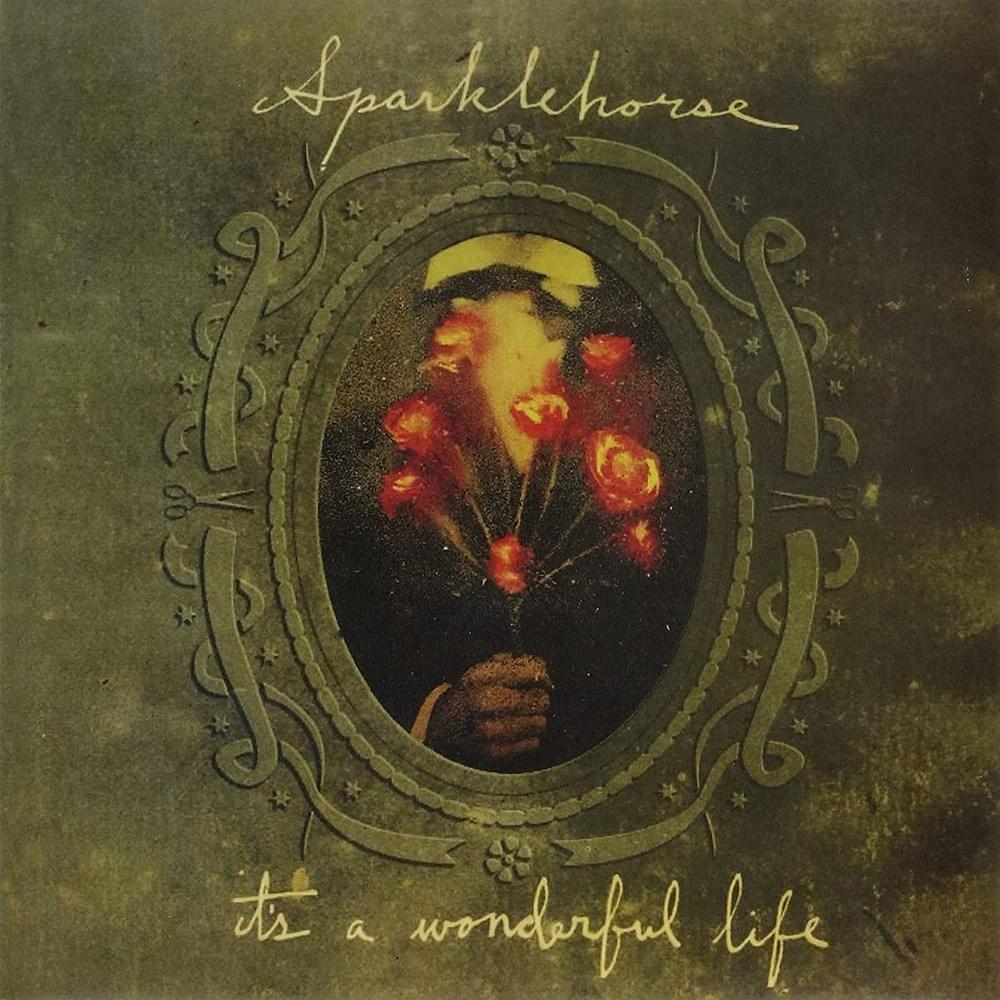
 View Artist