Song Meaning
The narrator opens with a sharp, almost sneering critique of a certain type of urbanite, painting them as superficial and emotionally performative. These "slippery eels in cuban heels" and "metrosexuals with plucked eyebrows" are dismissed as overly concerned with appearances and lacking genuine substance. The narrator questions their ability to maintain any real connection, asking, "Would they ever keep them out?" This sets a tone of judgment and perhaps a feeling of being an outsider looking in on a world that feels alien.
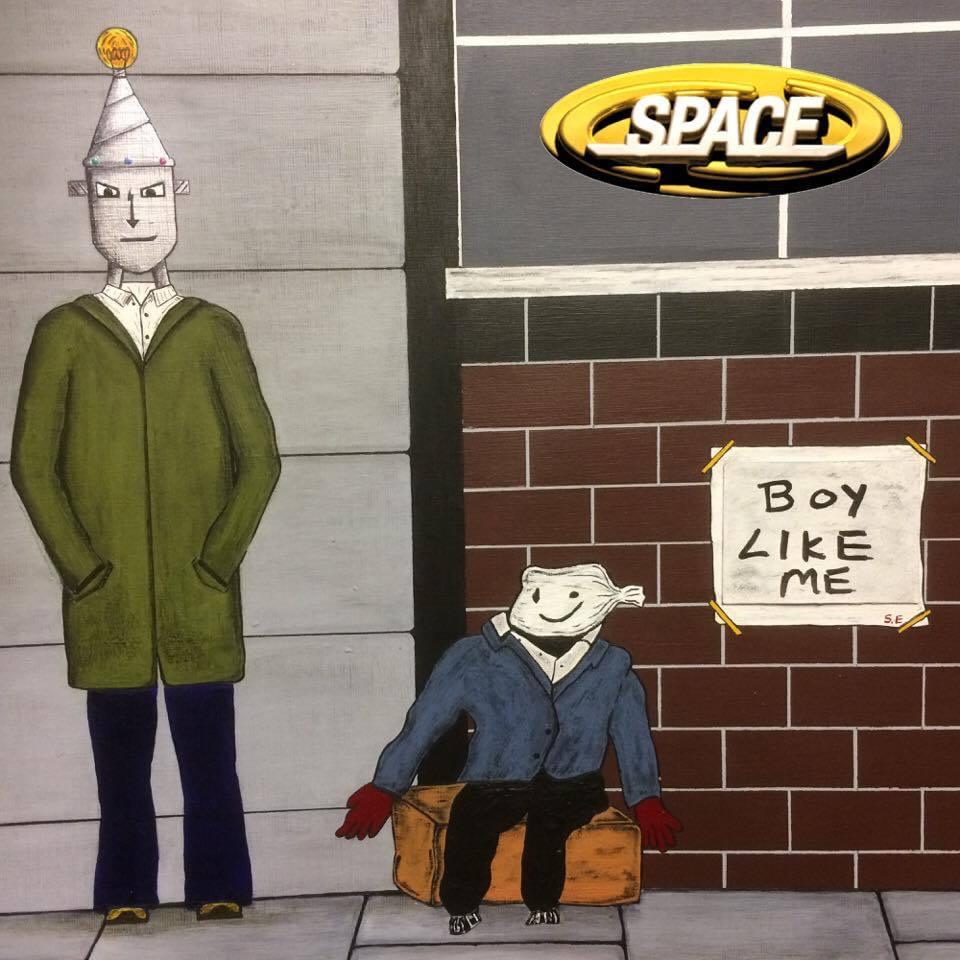
The core of the song lies in a plea for acceptance and belonging, framed by a stark contrast between the narrator and the perceived superficiality of others. The repeated question, "Would you give a home to a boy like me?" is a direct appeal for sanctuary, suggesting a vulnerability beneath the critical exterior. This desire for a "home" with a "girl like you" hints at a yearning for a stable, perhaps idealized, connection that feels unattainable, acknowledging it "might be a man-made fantasy."
The lyrics employ a clever juxtaposition of dismissive labels and a vulnerable request. The narrator first categorizes others as "vagabonds and malcontents" and "layabouts and schemin' cads," labeling them as temporary "fads." This categorization serves to distance the narrator from these groups, perhaps to elevate their own perceived authenticity or to justify their own outsider status. It’s a defensive maneuver before the vulnerable plea that follows, creating a tension between outward judgment and inward longing.
Ultimately, the effectiveness of these lyrics stems from their portrayal of a complex emotional state: the need to critique the world to feel safe within it, while simultaneously yearning for genuine connection. The contrast between the biting observations of others and the raw, almost childlike question of belonging creates a compelling emotional arc. It’s this push and pull between judgment and vulnerability that makes the narrator's plea for a "home" resonate, suggesting that sometimes, to ask for acceptance, one must first define what they are not.
 View Artist