Song Meaning
The lyrics paint a stark picture of stagnation, opening with the relentless repetition of "otro dia gris, otro dia mas" – another gray day, another day gone. This isn't just about a bad mood; it's a suffocating routine of trying to forget, struggling to adapt to a "tiempo deprimente." The narrator feels stuck, a sentiment amplified by the realization that life has become solely about reliving "algunos buenos momentos," past glories that offer no present solace.
The central conflict lies in the paralyzing grip of the past versus the necessity of moving forward. The narrator acknowledges that "todo aquello hace tiempo se acabo," yet the present is defined by "viviendo solo para recordar." This creates a palpable tension between the desire to escape the "sensacion de sentirme muerto" and the inability to break free from the cycle of remembrance. The phrase "Puta maldicion, que crece en silencio" perfectly captures the insidious, growing despair.
The imagery of "Agua que no corre, acabara podrida" serves as a potent metaphor for the narrator's current state. Stagnant water, like a life lived only in memory, inevitably decays. This leads to a decisive, almost desperate turn: "me voy de cabeza / Hacia el mar abierto." It's a leap into the unknown, a rejection of the rotten stillness in favor of a potentially cleansing, albeit overwhelming, expanse. The final, stark repetition of the stagnant water metaphor underscores the gravity of the choice made.
This lyrical narrative resonates because it articulates a universal struggle with inertia and the fear of fading away. The raw, unvarnished language, particularly the expletive, injects a visceral honesty into the feeling of being trapped. The eventual, albeit abrupt, push towards the open sea offers a glimmer of hope, not through resolution, but through the sheer act of breaking free from the suffocating present, even if the destination is uncertain.
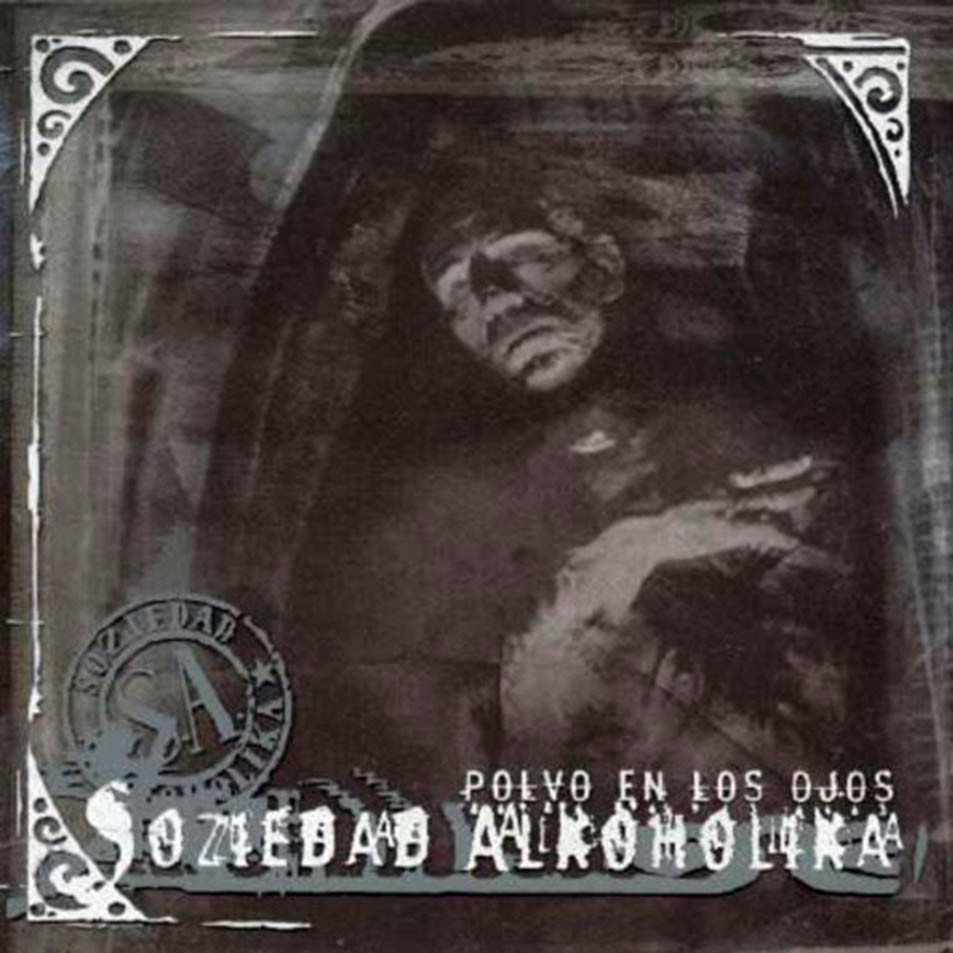
 View Artist