Song Meaning
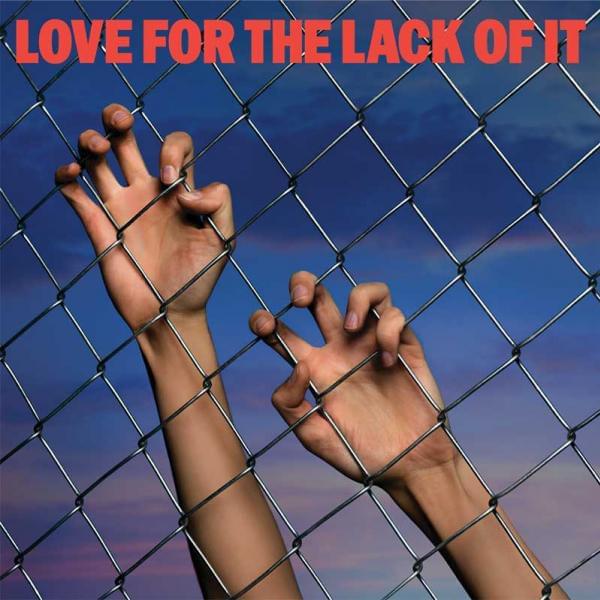
The lyrics paint a picture of someone grappling with a profound sense of inadequacy, a feeling that they're inherently lacking something essential. They acknowledge the comfort found in superficial connections, noting that those who bring smiles can't mend deeper wounds because they weren't the source of the initial damage. This sets up a central tension: the desire for external validation versus the internal void that can't be filled by others.
The narrator seems to be caught in a cycle of self-blame and external blame, recognizing that "no ones innocent Of placing doubt." This doubt is described as an "easy out," something "passed around like paper maché," suggesting its fragility and tendency to fall apart. The core conflict appears to be the struggle between accepting one's own perceived shortcomings and the impulse to project blame, all while yearning for a love or completeness that feels just out of reach.
The most striking craft element is the recurring motif of "paper maché." This fragile, easily torn material serves as a potent metaphor for the superficiality and impermanence of the "easy out" – the doubts and perhaps even the relationships that are meant to provide solace but ultimately disintegrate. It highlights how these attempts to cope or connect are fundamentally unstable, destined to break apart under pressure.
Ultimately, the lyrics resonate because they tap into a universal human experience of feeling insufficient. The repeated plea, "If only we felt enough," coupled with the desire for love, articulates a deep-seated longing for internal wholeness. The writing effectively captures the pain of realizing that external support can only cushion a fall, not prevent it, leaving the individual to confront their own perceived emptiness.
 View Artist