Song Meaning
The lyrics paint a stark portrait of a young woman, just seventeen, whose outward appearance masks a deep insecurity. She's described as being "on borrowed self-esteem," suggesting a fragile identity built on external validation rather than internal strength. Her "purple green" eyes and the "painful masquerade" of her dance hint at a performance, a desperate attempt to captivate and control through artifice. This initial image is one of a carefully constructed facade, designed to draw others into her orbit.
The central tension lies between this outward projection and the underlying emptiness. The "vain parade" and the "web" she spins imply a self-serving manipulation, yet the "smearing sincerity" on her lips, coupled with her "uniform of studded brass and steel," suggests a harsh, almost weaponized defense mechanism. It's a desperate bid for attention and power, but one that ultimately feels hollow and performative, devoid of genuine connection.
The most striking craft element is the recurring motif of "parade" and "veins," juxtaposing public display with internal lifeblood. This contrast is amplified in the final verse, where "flowers hit her grave." The image is brutal: the life she performed has ended, and the only recognition comes in death, with the flowers symbolizing a final, ironic tribute to the beauty she so desperately tried to maintain. The reflection looking "concerned" adds a layer of self-awareness, a dawning realization of the futility of her efforts as time runs out.
This lyrical construction effectively conveys a tragic arc of wasted potential and the destructive nature of prioritizing superficiality. The progression from a vibrant, albeit artificial, seventeen-year-old to a grave marked by flowers underscores the ephemeral nature of the validation she sought. The lyrics leave the listener with a haunting sense of loss, emphasizing how a life spent in a "vain parade" ultimately leads to an empty end.
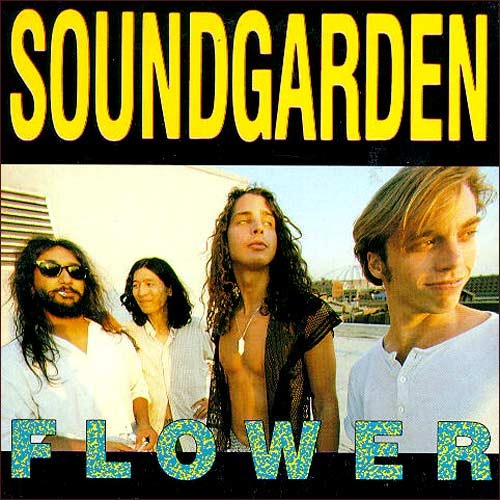
 View Artist