Song Meaning
The lyrics paint a picture of a solitary woman diligently planting seeds, a seemingly futile act against a static past and an unarrived future. She questions if this effort would be seen as absurd by another, implying that such a perspective comes from a place of happiness. This sets up a core tension between her persistent, perhaps irrational, hope and a pragmatic, possibly dismissive, view of her endeavors.
The central conflict emerges from the contrast between the narrator's enduring hope and the perceived futility of her actions. She waits for spring beneath the snow, anticipating a harvest in autumn, and finds solace in dreams during cold nights, believing her feelings will ripen. This cyclical, patient waiting is juxtaposed with the idea that her efforts might be considered "barren love," a notion that, if true, would confirm the other person's happiness and her own isolation.
A striking element is the integration of abstract mathematical and symbolic language with deeply personal emotional states. The narrator grapples with unstable numbers like '3' and '3-1,' equating them to the need to choose or eliminate to achieve stability. This mathematical framing of personal choice, particularly in relationships, is starkly illustrated by the question of who is most unhappy among "two females, one male," and the imagery of falling fruit and subtracting numbers, suggesting a calculated, perhaps tragic, outcome.
Ultimately, the lyrics resonate through their raw portrayal of a desire for happiness and connection, even when faced with the possibility of failure or absurdity. The narrator's plea, "Still, I want to be happy...", coupled with the desperate act of "reaping" what cannot be picked, highlights a profound human drive to find meaning and fulfillment, even if the methods seem unconventional or the results uncertain. The final image of a "masked man" and being left alone in a wasteland underscores the lingering vulnerability and the unresolved nature of her quest for belonging and happiness.
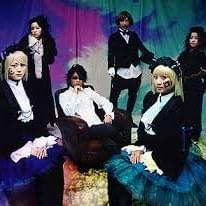
 View Artist