Song Meaning
The narrator recounts a moment of perceived betrayal, noting a subtle physical cue – an eye twitch – that confirmed their suspicion. This observation leads to a direct confrontation, a plea for the other person to cease their attempts at seduction. The core of the conflict lies in the narrator's insistence on maintaining their current state of "misery," suggesting a complex emotional defense mechanism against further hurt.
The central tension revolves around a past relationship or interaction where the narrator feels they were manipulated or led astray. They explicitly state, "You went for my heart," implying a deep emotional vulnerability was targeted. The repeated plea, "Don't come back to tempt me," underscores a desire to protect themselves from a recurring pattern of emotional pain, even if that pain is now a familiar, albeit unhappy, comfort.
What's particularly striking is the narrator's framing of their current state as a chosen form of "misery." This isn't passive sadness; it's an active, albeit reluctant, defense. The line "Wish I could care less" reveals an internal struggle, a desire to detach but an inability to fully succeed. The peculiar aside about crying in "1994" feels like an attempt to discount past emotional pain, perhaps to emphasize the present hurt as more significant or more deliberately inflicted.
This lyrical construction is effective because it captures a specific, relatable brand of post-betrayal stubbornness. The narrator isn't just sad; they're defiant in their sadness, using it as a shield. The subtle details, like the "eye twitch," ground the emotional narrative in a concrete, observable moment, making the subsequent emotional fallout feel earned and deeply personal.
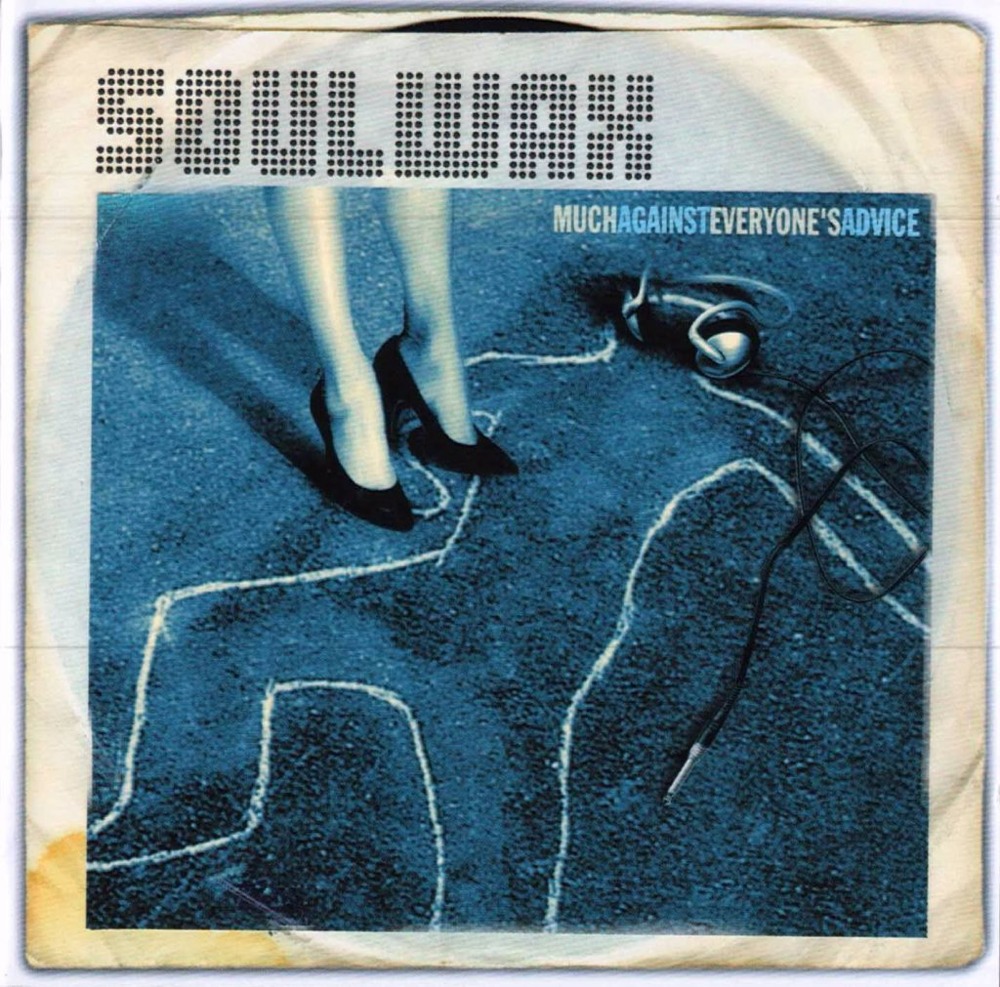
 View Artist