Song Meaning
The narrator is issuing a desperate warning, a plea to keep distance to avoid repeating past mistakes. There's a palpable sense of dread associated with a recurring, painful situation, encapsulated by the repeated, almost chanted phrase "Oh proverbial pants / Please not again." This isn't just about a bad date; it feels like a pattern of self-sabotage or a toxic dynamic the narrator can't escape.
The core tension lies in the narrator's conflicting desires: wanting connection ("Please tell me that you love me") while simultaneously pushing it away out of fear of inevitable ruin ("DON'T COME TOO CLOSE CAUSE YOU'LL RUIN IT"). They seem to believe their own heart is a source of pollution, a dangerous element that will inevitably lead to negative consequences for anyone who gets too close. The phrase "Cross your legs and hope to die" paints a vivid picture of acute discomfort and a desperate wish for the current moment to end.
The most striking element is the invented phrase "proverbial pants." It's a bizarre, memorable image that suggests a state of extreme awkwardness, embarrassment, or being caught in a compromising, inescapable situation. The narrator uses it to label this recurring dread, turning an abstract feeling into a tangible, albeit nonsensical, object of fear. The shift in the bridge, asking "Tell me what am i wearing / When you think of me? / This ought to be embarassing / You- not me," reveals a flicker of defensiveness and a projection of shame onto the other person, a last-ditch effort to reclaim agency.
This writing is effective because it taps into the universal feeling of being trapped in a cycle of bad decisions or unhealthy relationships. The raw, almost frantic repetition of "Please not again" and the jarring, invented term "proverbial pants" create an unsettling intimacy, making the listener feel the narrator's anxiety acutely. It's the sound of someone bracing for impact, knowing it's coming and feeling powerless to stop it.
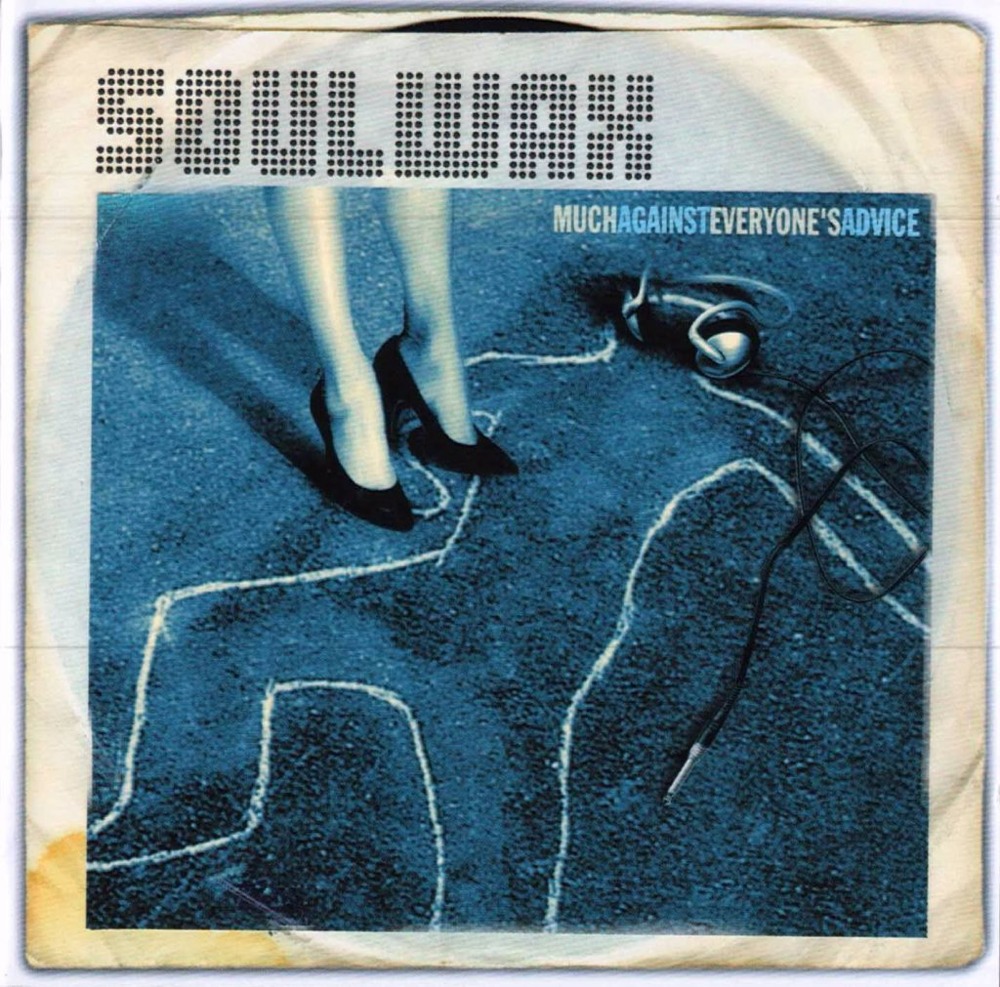
 View Artist