Song Meaning
The lyrics slam the listener with a single, repeated question: "Wasn't it supposed to be funny?" This isn't a lighthearted inquiry; it's a desperate, almost accusatory plea. The relentless repetition hammers home a profound sense of disappointment and a jarring disconnect between expectation and reality. It immediately establishes a tone of bitter irony, where humor has been replaced by something far more somber.
The core tension lies in the stark contrast between the anticipated lightness of "funny" and the implied weight of whatever situation the narrator is experiencing. The inclusion of the "Save our souls" sample, a desperate cry for help, amplifies this. It suggests that the situation is not just unfunny, but potentially dire, making the initial expectation of humor feel cruelly misplaced. The lyrics seem to grapple with a moment that has gone terribly wrong, leaving the narrator bewildered and distressed.
The most striking aspect is the sheer sonic and thematic insistence on the question. The whispering at the end, trailing off and fragmenting, mirrors a loss of control or a fading hope. This isn't just a lyrical device; it's an auditory representation of the narrator's unraveling. The repetition builds an almost suffocating atmosphere, trapping the listener in the narrator's disillusionment and the stark absence of the expected humor.
Ultimately, these lyrics are effective because they weaponize a simple question through sheer, unyielding repetition. The juxtaposition of the word "funny" with the "Save our souls" sample creates a powerful emotional gut-punch. It forces the listener to confront a moment where laughter should have been, but instead, a cry for salvation is all that remains, highlighting a profound and unsettling failure of expectation.
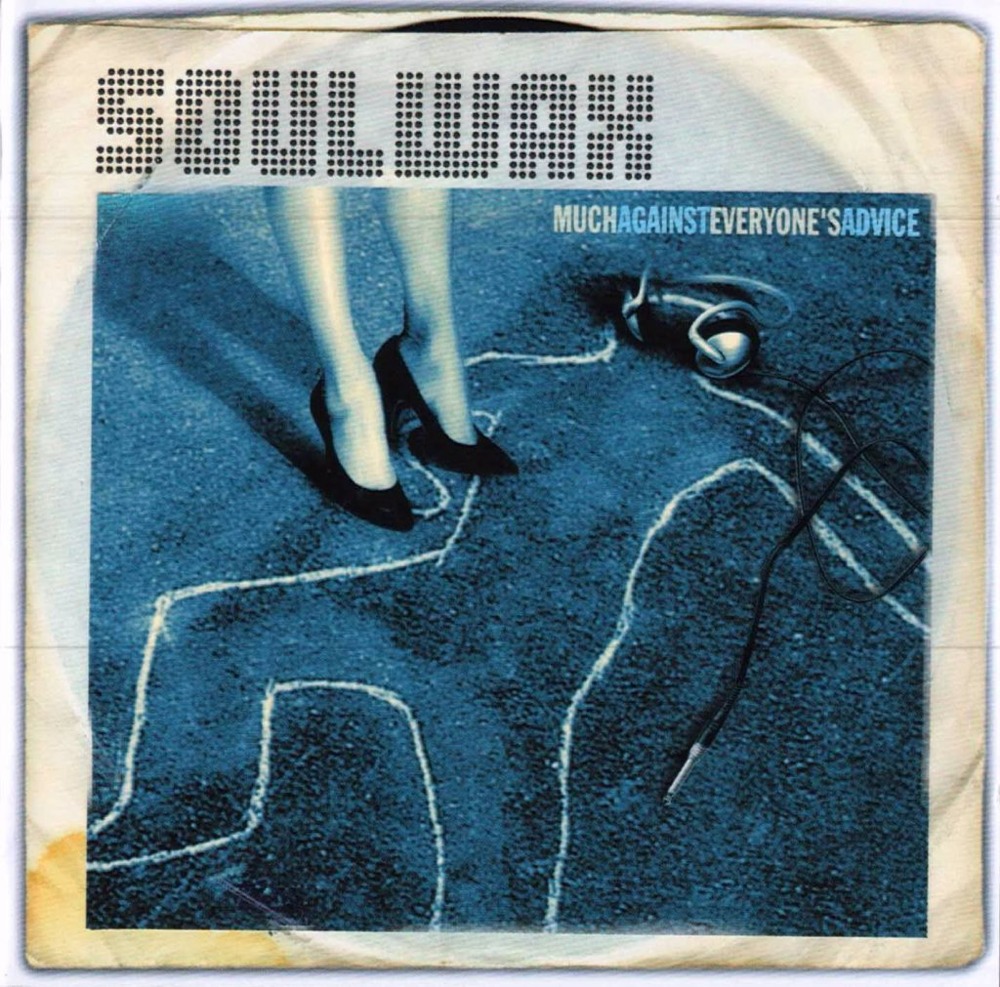
 View Artist