Song Meaning
The lyrics paint a visceral picture of internal conflict and a defiant stand against overwhelming negative forces. The opening lines immediately establish a sense of being haunted, with "Refugee, silence, agony" suggesting a past trauma or burden that "Crawling back to me." This leads to a personal "inner hell set free," a state of profound suffering and psychological turmoil. The narrator seems to be grappling with a painful past that has resurfaced, forcing a confrontation with their own internal demons.
The core tension lies in the struggle between external pressures and the assertion of self. Phrases like "Sacrifice" and "Acceptance at a price" hint at compromises or losses endured, possibly in a bid for "Solidarity." However, this is sharply contrasted with a defiant "Fuck you, I am integrity," marking a pivotal shift towards self-preservation and a refusal to be broken. This internal battle culminates in "Ritual aggression" and "Insurrection," suggesting a conscious, almost ceremonial, act of rebellion against the forces causing this "infernal agony."
The repeated word "Ritual" itself becomes a powerful motif, framing the entire experience as a cyclical, perhaps necessary, process of confronting and overcoming internal or external strife. The lyrics propose a paradoxical path: "Order out of chaos / Order from disorder." This suggests that through the "aggression" and "insurrection" – the ritualistic confrontation with one's own "scars of hate" – a new form of order, or perhaps a hardened sense of self, can be forged. The "new dark age" is not just an external condition but an internal one, from which the narrator seeks liberation.
Ultimately, the effectiveness of these lyrics stems from their raw, unflinching portrayal of psychological warfare and the fierce, almost primal, drive for self-definition. The stark imagery and the relentless repetition of "Ritual" create a sense of inescapable intensity, mirroring the cyclical nature of trauma and the arduous process of reclaiming one's integrity. The narrator's journey, though fraught with "agony," is one of active resistance, transforming suffering into a defiant, albeit painful, act of self-creation.
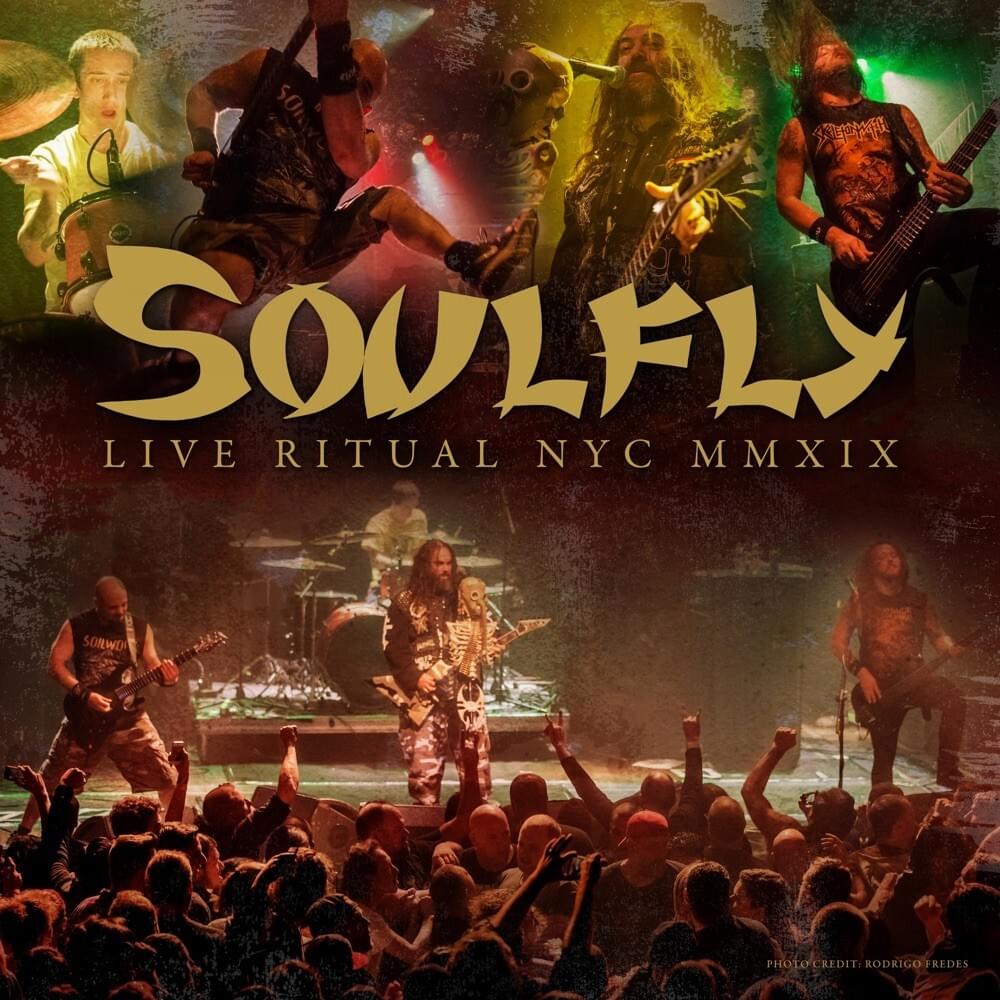
 View Artist