Song Meaning
The lyrics paint a bleak picture of a new era defined by conflict and fear. The opening lines immediately establish a sense of dread, with the "smell of Napalm and fear" and "mass hysteria" welcoming us to a "new frontier." This isn't a hopeful expansion, but one steeped in the anxieties of modern warfare and societal breakdown. The narrator points to an insidious, unseen enemy, stating, "that's the real enemy / How can you kill what you cannot see." This suggests a pervasive, perhaps internal, source of destruction that defies easy identification or eradication.
The central tension arises from the personification of Mars, the Roman god of war, as the dominant force. The repeated declaration, "I am Mars, the God of War / You bow to me like you did before," positions war itself as an inevitable, almost worshipped entity. This isn't a call to arms, but a grim acknowledgment of humanity's cyclical embrace of conflict, suggesting a primal, unshakeable drive towards destruction that people willingly submit to.
The imagery shifts to stark, brutal visuals that underscore the consequences of this embrace. "Gas masks and AK47s" replace any hope of spiritual salvation, implying that the tools of war obscure any vision of peace or a higher power. The line "Blood, fire, destroying weather" evokes a catastrophic, apocalyptic scene, a direct result of the "chemical warfare and the Bloodlust" mentioned later. The phrase "Mankind has finally done" serves as a chilling epitaph, suggesting a self-inflicted end brought about by this unyielding dedication to war.
Ultimately, the effectiveness of these lyrics lies in their unflinching portrayal of war as an almost sentient, self-perpetuating force. By adopting the persona of Mars, the song doesn't just describe conflict; it embodies it, making the listener confront the idea that humanity is not just participating in war, but is fundamentally beholden to it. The stark, almost elemental language and the cyclical repetition of the chorus hammer home a sense of inescapable doom, leaving a lasting impression of a world consumed by its own violent nature.
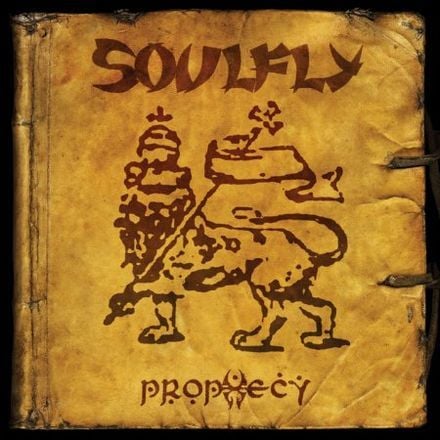
 View Artist