Song Meaning
The lyrics paint a picture of impending doom and divine judgment, opening with a powerful, almost apocalyptic vision of a throne accompanied by natural fury. This sets a tone of overwhelming, cosmic power. The imagery of "flashes of lightning, rumblings, and peals of thunder" directly precedes the "seven lamps" and "seven spirits of God," suggesting a divine presence that is both awe-inspiring and terrifying. The initial verses then shift to a more grounded sense of despair, describing "fire born from the emptiness" and "lost souls, faith relinquished," hinting at a world already succumbing to darkness before the judgment even fully arrives.
The central tension arises from a confrontation with an external, judging force, likely a divine or authoritative entity. The repeated "Red skies, red skies" and "Thunderous, thunderous" create a visceral sense of an overwhelming, inescapable threat. The word "Demonized" itself suggests a branding or condemnation, a labeling of the speaker or their world as inherently evil. This is amplified by the narrator's defiant questions in the outro: "Are you judging my morals and my lack of faith?" and the declaration, "Intolerance of nothing that is sacrosanct." The lyrics seem to grapple with being judged for perceived failings, particularly a lack of faith, by an entity that the speaker ultimately dismisses as "Malevolent" and "all dead to me."
The most striking aspect of the craft is the stark contrast between the grand, biblical imagery of the intro and the raw, accusatory tone of the outro. The initial verses build a sense of foreboding with phrases like "Visions of raising caine" and "hollow grounds breed murder," but the outro unleashes a direct, personal defiance. The repetition of "thunderous" amplifies the feeling of relentless pressure, while the single, sharp utterance of "Rah" after the second chorus adds an unexpected, almost guttural exclamation point to the chaos. The narrator's final pronouncements, "Disgracing the arrogant, I've cracked my throat from pestilence," and "You're all dead to me," reveal a profound disillusionment and a rejection of the judging power, even at the cost of their own voice.
This lyrical construction is effective because it moves from a depiction of overwhelming, external judgment to a powerful internal rejection. The build-up of apocalyptic imagery creates a sense of dread, making the narrator's eventual defiance feel earned and potent. The lyrics suggest that the experience of being "demonized" and judged leads not to submission, but to a radical severing of ties with the perceived oppressor. The raw anger and finality of the outro, especially the declaration that the accusers are "all dead to me," resonate as a cathartic release from the oppressive weight of judgment.
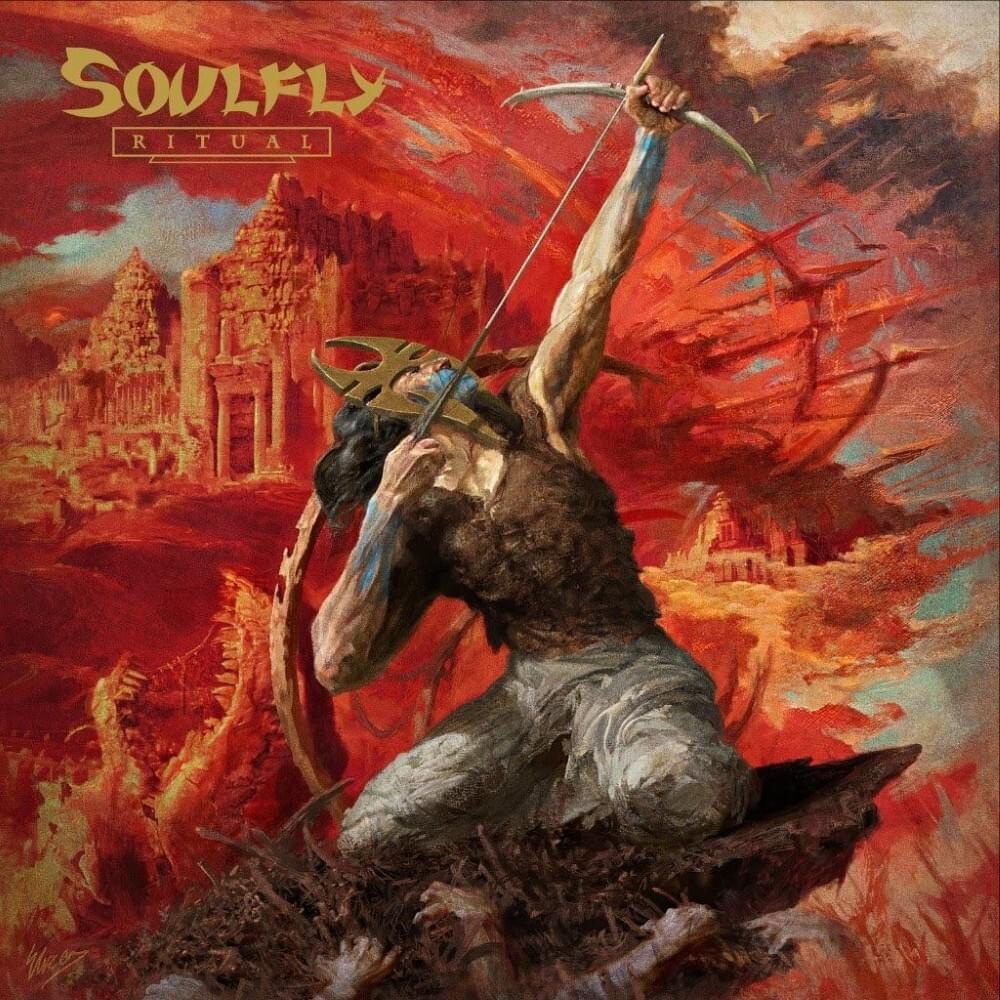
 View Artist