Song Meaning
The lyrics paint a raw, unvarnished portrait of betrayal and disillusionment. The opening repetition of "Judas… Liar..." immediately establishes a tone of deep-seated anger and accusation. This isn't a subtle critique; it's a direct confrontation with someone perceived as deceitful and untrustworthy. The narrator sees through the facade, declaring, "I see through you disguise," and vows to witness the downfall of this false persona. The sentiment is clear: the charade is over.
The central tension lies in the narrator's escalating frustration with the subject's persistent dishonesty and its destructive consequences. The lyrics move from a general observation of deceit to a more personal indictment, highlighting how the subject "hurt so many people." There's a plea, albeit a bitter one, for the subject to "face yourself and turn your life around," suggesting a lingering, perhaps futile, hope for redemption amidst the condemnation. The repeated phrase "no more lies" underscores the narrator's absolute refusal to tolerate further deception.
The most striking aspect of the craft is the relentless barrage of accusatory labels. The shift from the biblical "Judas" to more visceral insults like "Bastard," "Traitor," "Loser," and "Scumbag" creates a powerful crescendo of contempt. This escalation isn't just emotional venting; it systematically dismantles the subject's identity, reducing them to a collection of negative traits. The declaration, "To me it's like you're dead," signifies a complete severance, a final judgment delivered through sheer force of language.
Ultimately, the effectiveness of these lyrics stems from their unyielding directness and the raw emotional power they convey. By stripping away any pretense of nuance, the narrator forces a confrontation with the pain of betrayal. The repetitive, almost chant-like structure amplifies the intensity, making the listener feel the weight of the narrator's anger and finality. It's a cathartic release, a definitive severing of ties through the sheer, brutal power of spoken accusation.
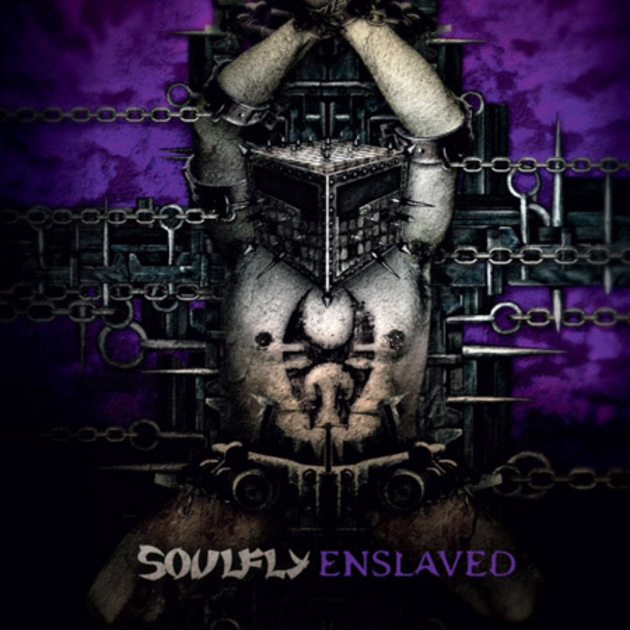
 View Artist