Song Meaning
The lyrics paint a vivid picture of solitary existence in an old, decaying stone house, far from others. Once perceived as a "palace," this ancestral home now stands as a weathered refuge. The narrator lives off the land, finding light from the sun and warmth from a self-made fire. There's a quiet resilience in this isolated life.
A central tension emerges from the contrast between the house's past grandeur and its present state, alongside the narrator's deep isolation. The phrase "في الاخر ما لقيتْ غير هيّا" (in the end I found nothing but it) suggests this house, built by her grandfather, has become a last resort or the only constant in a changing world. This isn't just a physical dwelling; it's a profound anchor. The narrator's admission, "كي نحب نبكي نتفكّر" (when I want to cry, I remember), hints at a private wellspring of sorrow tied to these memories.
The lyrics masterfully use repetition and stark imagery to convey both decay and enduring spirit. The recurring line about the grandfather's house being "all that was left" underscores its profound significance. Furthermore, the narrator's transformation is subtly revealed: "تعلّمت نحسب" (I learned to calculate/count) implies a shift from perhaps a more carefree past to a pragmatic, self-reliant present. This practical adaptation is reinforced by her preparedness, having "وجّدتْ الحطب" (prepared the firewood) for when the weather turns.
These lyrics resonate by portraying a powerful sense of self-sufficiency born from necessity. The narrator's connection to the house, despite its dilapidation, feels deeply personal and almost spiritual, especially when she mentions talking "مع الّي شفاو عليّا" (to those who healed me). It's a testament to finding strength and belonging in one's roots, even when faced with profound solitude and the harsh realities of life "في طرف الدنيا" (at the edge of the world). The narrative celebrates a quiet, unyielding spirit that finds solace and purpose in a humble, ancestral dwelling.
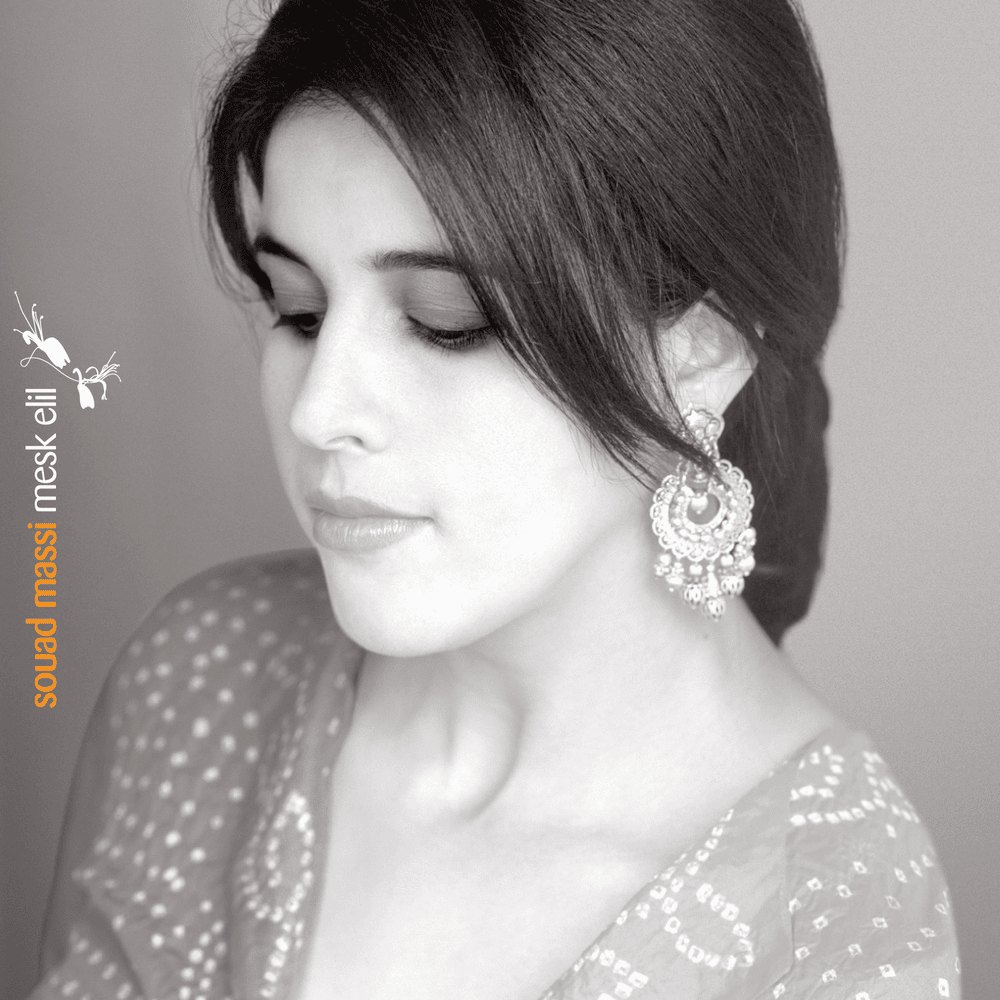
 View Artist