Song Meaning
This "Outro" immediately sets a high-stakes tone, with the speaker contemplating if this debut album might also be their last. It's a late-night reflection, a 3 AM reckoning with a life marked by street activity and its heavy toll. The recurring image of "les yeux cernés" (dark circles under the eyes) speaks volumes about sleepless nights and constant vigilance.
The central tension arises from the speaker's complex relationship with Marseille, personified as both a creator and a tormentor. The city "m'a fait, Marseille m'a fait souffrir / Marseille m'a aimé, Marseille m'a fait subir," a powerful paradox that captures its dual nature as a source of identity and hardship. This struggle is underscored by stark images of police raids at dawn prayer ("à l'heure de fajr que police te cueille") and the grim reality of drug dealing and incarceration, connecting distant locations like "Des Baumettes" (a prison) to "Montfermeil."
A particularly poignant craft element emerges in the speaker's nuanced fear: "J'ai pas peur de la mort mais du châtiment du cercueil." This isn't a fear of ceasing to exist, but of the finality, judgment, or confinement that burial represents—a chilling extension of the life lived "enfermé" (locked up). The visual of "Sur ma photo de classe, les visages s'effacent de manière saccadée" offers a visceral depiction of loss, suggesting friends disappearing abruptly from their life, likely to death or prison.
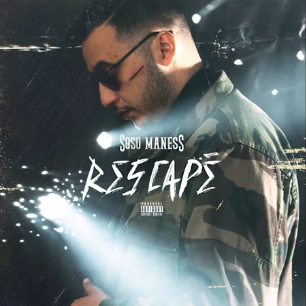
Ultimately, these lyrics are effective because they offer an unvarnished glimpse into a life of survival. The raw honesty, the specific, gritty details, and the profound sense of loss culminate in the album's title, "Rescapé" (Survivor). It's a declaration that despite the suffering and the fading faces, the speaker has endured, carrying the weight of their past into the present moment.
 View Artist