Song Meaning
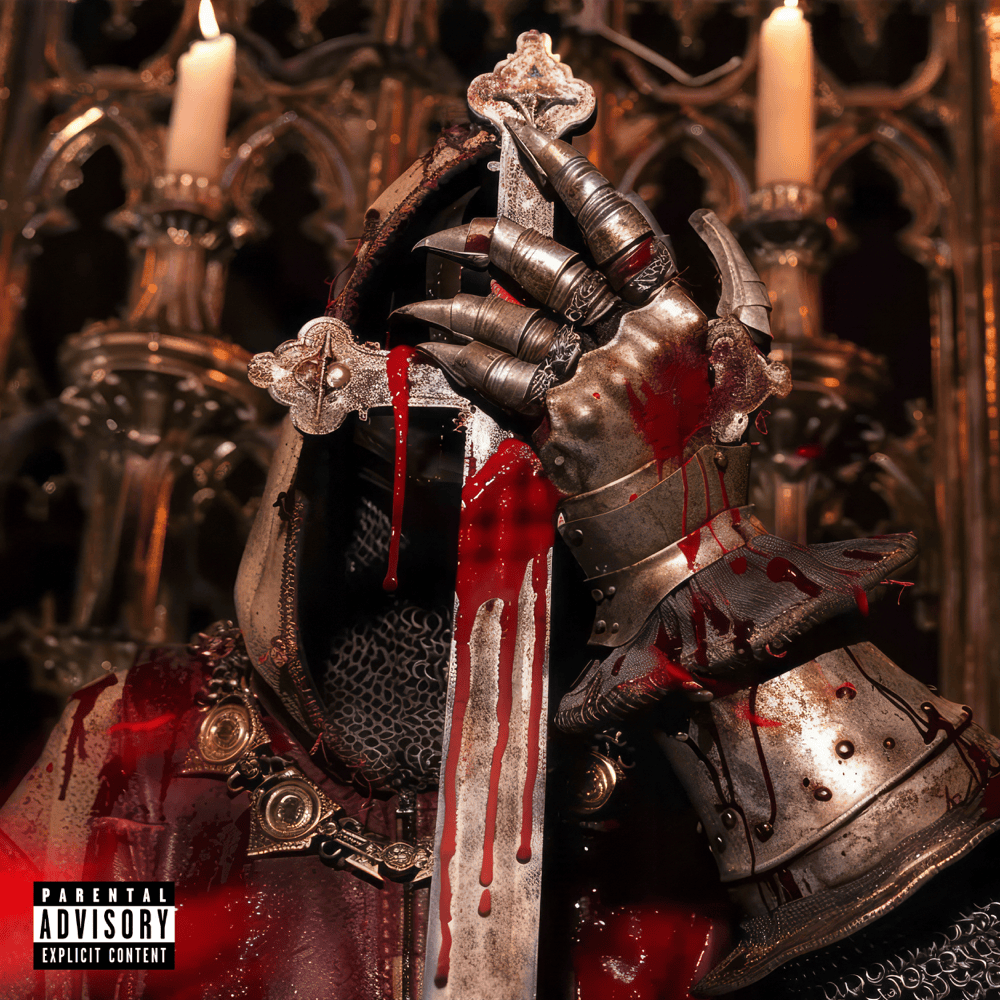
The skit plunges us into a chaotic, violent confrontation, dripping with raw aggression and a sense of impending doom. Shouted threats and desperate pleas paint a picture of intense conflict, where the immediate reality feels like a fight for survival. The raw, unfiltered dialogue, punctuated by exclamations of pain and rage, establishes a visceral, almost primal tone right from the start. It’s a sonic assault, designed to disorient and shock the listener into the narrative's brutal world.
The central tension erupts when a voice, seemingly detached from the fray, reminds the speaker, "My son, have you forgotten? You are immortal!" This revelation shatters the perceived reality of the violent struggle, suggesting the entire ordeal is a manufactured experience. The pain, the threats, the fear of death – all are declared a "fragment of your imagination," a cruel trick played on the protagonist. This creates a jarring disconnect between the physical agony and the declared invincibility.
The most striking element is the dramatic shift in perspective and the manipulation of reality. The initial visceral terror of the fight is immediately undercut by the declaration of immortality, turning the desperate struggle into a performance or a delusion. The repeated, almost frantic, assertion "I can't die!" becomes less a statement of fact and more a desperate attempt to reconcile the perceived reality of pain with the imposed truth of invincibility. It highlights a profound psychological break or a deeply unsettling form of control.
This lyrical construction is effective because it weaponizes the listener's empathy. We are initially drawn into the raw, relatable fear of the fight, only to have that reality dissolved. The abrupt pivot forces a re-evaluation of everything that came before, leaving a lingering unease. The outro, framing the entire experience as a "breathtaking sci-fi horror story," solidifies the idea that the preceding chaos was a constructed narrative, designed for entertainment or some other sinister purpose, leaving the listener to question the nature of reality and perception.
 View Artist