Song Meaning
The lyrics paint a disorienting and claustrophobic scene, opening with a visceral sense of dread. The narrator's eyes are "threatening to open wide," a powerful image suggesting an unwelcome revelation or a forced confrontation with reality. This is immediately countered by an attempt to shut it out, "cover them up with a pillow's side." The "twilight, made up and hated" feels artificial and oppressive, a stark contrast to the "bright like, shards of blood and rust and light" that follows, hinting at a beauty that is both sharp and decaying. The overwhelming feeling is one of being consumed, "swallowed by this night."
The focus then shifts to another figure, described with unsettling detail: "Your skin wrapped around your ankles" and "limbs (like perfect ribbon tied)." This imagery is both delicate and disturbing, suggesting a strange, almost doll-like stillness. The description of the other person's "bare and white" arms and eyes, coupled with their apparent surprise, creates a profound disconnect. The narrator's repeated question, "why are you always so surprised?" underscores a deep frustration, perhaps with the other person's perceived naivete or inability to grasp the severity of their situation.
The core tension erupts in the repeated, almost frantic questions: "What's the worst part?" and the narrator's chilling demand, "Shut up, I'm tired of you talking / So much, I just wanna hear you cry." This isn't a plea for empathy, but a desire for a raw, unadulterated emotional response. The narrator seems to be searching for something definitive, the "worst part," within the other person's eyes, perhaps as a way to understand or validate their own overwhelming feelings. The repetition of "cry, cry, cry" amplifies this desperate, almost cruel, fixation.
This lyrical construction is effective because it weaponizes vulnerability. The narrator’s own distress, hinted at by the "threatening to open wide" eyes, is projected outward as a demand for the other person's pain. The stark, almost clinical descriptions of the other person's body juxtaposed with the narrator's intense emotional demand create a disturbing intimacy. It’s this raw, unvarnished need for a specific, painful reaction that makes the lyrics so impactful, leaving the listener with a sense of unresolved, almost violent, emotional friction.
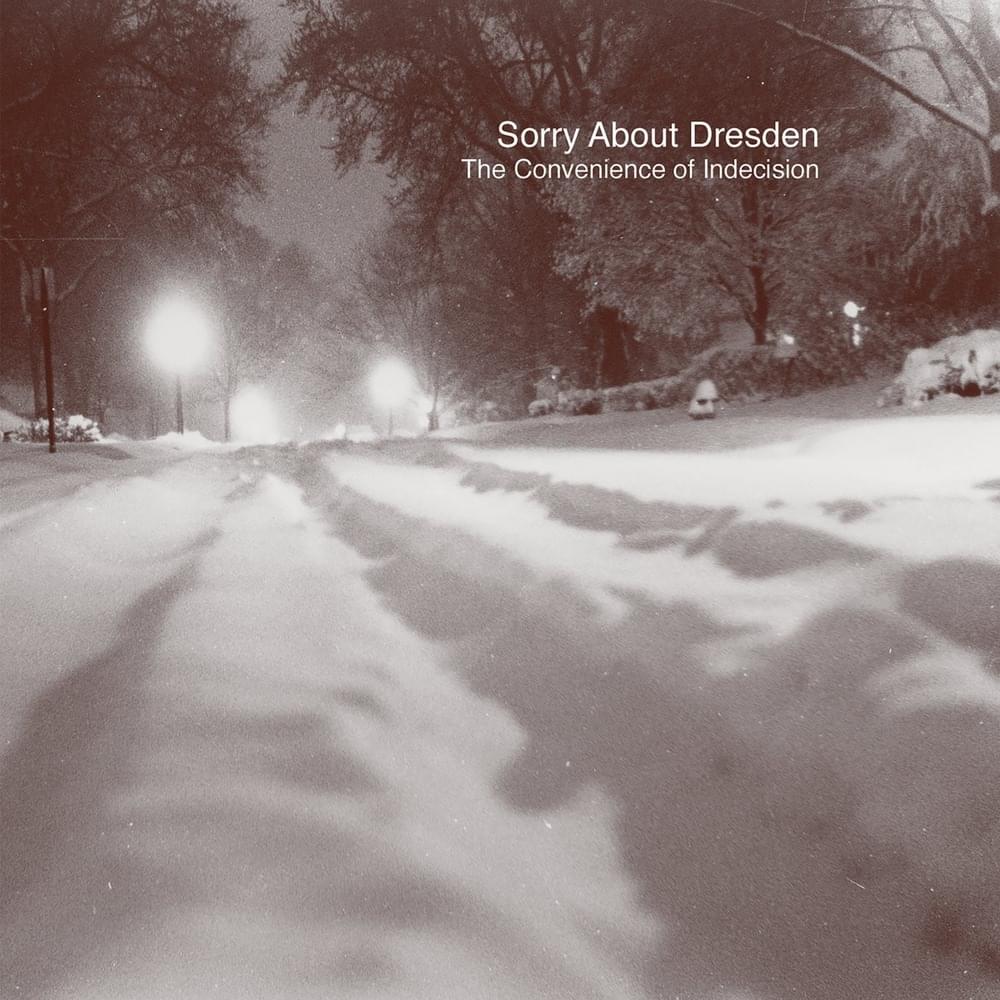
 View Artist