Song Meaning
The lyrics paint a picture of someone who has consistently been a secondary choice, only acknowledged during moments of crisis or pain by their partner. The narrator explicitly states, "Só na hora da dor / Que eu sirvo pra você" (Only in the hour of pain / That I'm useful to you), highlighting a pattern of conditional affection that has clearly taken its toll. This isn't about a sudden realization, but a slow, painful understanding that the relationship is fundamentally unbalanced and unfulfilling.
The central tension arises from the narrator's decision to reclaim their self-worth after enduring prolonged emotional neglect. They've "Já te amei demais / Mas é hora de gostar de mim" (I've loved you too much / But it's time to love myself) and "Já sofri demais / Esperando você decidir" (I've suffered too much / Waiting for you to decide). This shift from passive suffering to active self-preservation is the core of the song's emotional arc, culminating in the powerful declaration of independence.
The most striking aspect of the songwriting is the stark contrast between the partner's perceived "hora do amor" (hour of love) and the narrator's dawning realization that "nós dois / Não tem mais nada a ver" (the two of us / Have nothing left). This juxtaposition underscores the disconnect; while the partner might be experiencing pleasure, the narrator is seeing the relationship's true, bleak reality. The repeated phrase "Agora, tarde demais / Agora, não, nunca mais" (Now, too late / Now, no, never again) acts as a definitive closing statement, a finality born from hard-won self-love.
Ultimately, the effectiveness of these lyrics lies in their directness and the clear articulation of a painful but necessary boundary. The narrator's journey from being "apenas opção" (just an option) to learning "A me amar pra valer" (to love myself for real) resonates because it’s rooted in specific grievances and a resolute, earned sense of self-respect. It’s a narrative of empowerment found not in the partner's change, but in the narrator's own profound internal shift.
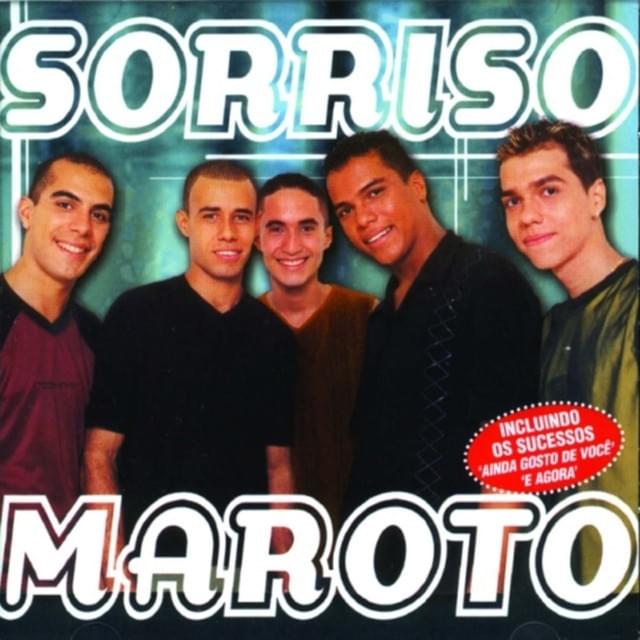
 View Artist