Song Meaning
The lyrics paint a picture of a relationship at a painful crossroads, where the narrator grapples with the decision to end things. There's a clear acknowledgment of fundamental differences and the struggle to reconcile them, leading to a sense of inevitable hurt. The narrator expresses a deep affection, stating "Mas te amo e não quero te machucar," highlighting the conflict between love and the necessity of separation. This internal battle is palpable as they try to brace for the pain, both for themselves and their partner.
The core tension lies in the narrator's attempt to end the relationship despite lingering love and the fear of causing pain. The phrase "Vai doer / Mas não tem jeito fácil de terminar" encapsulates this dilemma. It's a recognition that even a necessary ending will be agonizing, and the narrator is trying to prepare for that suffering. The repeated plea, "Tente entender," underscores the difficulty of communicating this decision and the hope for some level of acceptance from the other person.
A particularly poignant element is the narrator's insistence on the unique significance of this relationship, even in its ending. The lines "Vai ser sempre a primeira namorada / Esse amor não vai sair de mim por nada" suggest a lasting imprint, regardless of the outcome. This elevates the breakup from a simple parting to the severing of a foundational experience. The narrator's struggle with saying goodbye, "Eu não sou bom em me despedir," further humanizes the difficulty, making the decision to leave feel like a last resort to avoid future regret.
Ultimately, the effectiveness of these lyrics stems from their raw portrayal of a love that is both cherished and unsustainable. The narrator’s vulnerability in admitting their own weakness in ending things, coupled with the profound impact the partner has had, creates a deeply relatable emotional landscape. The lyrics don't offer easy answers but instead capture the messy, heart-wrenching reality of loving someone you know you must leave.
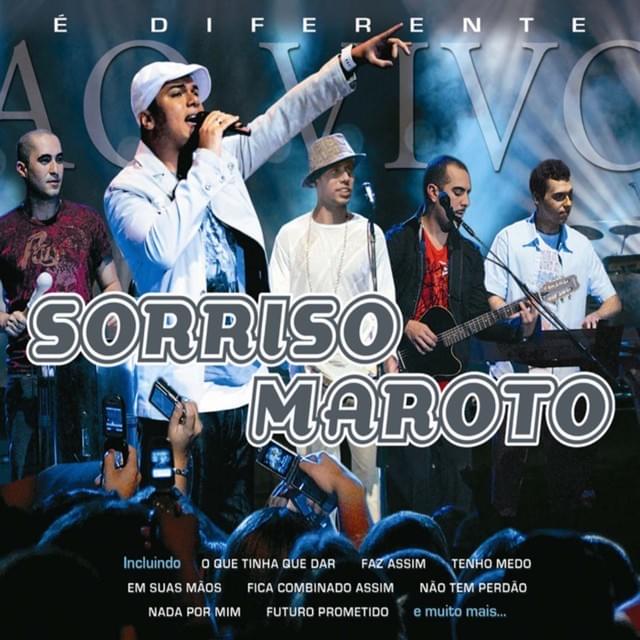
 View Artist