Song Meaning
The lyrics paint a picture of deep uncertainty and a yearning for an idealized state of being. The narrator expresses a desire to shed all pretense, to "transcend all my clothes and become bare," driven by a profound lack of self-knowledge. The only constants they can identify are a penchant for wearing black and a desire to "sleep in," suggesting a retreat from the world and an embrace of a somber aesthetic as a form of identity.
This internal landscape is juxtaposed with a fractured relationship, described as "separate in disdain" and "barely breathing enemies." The narrator questions the very act of feeling, turning self-inquiry back onto an implied other: "If you ask me how I feel about myself / I'd ask you that right back." This suggests a shared emotional void or a mutual inability to connect authentically, leaving them in a state of mutual antagonism.
A striking aspiration emerges: "It's always been my dream to be empty." This desire for emptiness, coupled with the plea to "drain me of the parts that weigh me down," reveals a complex self-perception. The narrator seems to want to be stripped of their burdens, even to the point of being reshaped into something "stronger than I know." This suggests a deep-seated dissatisfaction with their current self and a willingness to undergo a painful transformation.
The lyrics gain their power from this raw vulnerability and the stark, almost nihilistic, desires expressed. The admission, "(I know) you'll never love me / I'll pretend that you love me," highlights a painful resignation and a reliance on self-deception. Yet, the final line, "You'll always be the reason I stay clean," offers a flicker of something else – a dependence on this unrequited or unattainable connection as a fragile anchor, a way to maintain a semblance of order amidst the internal chaos.
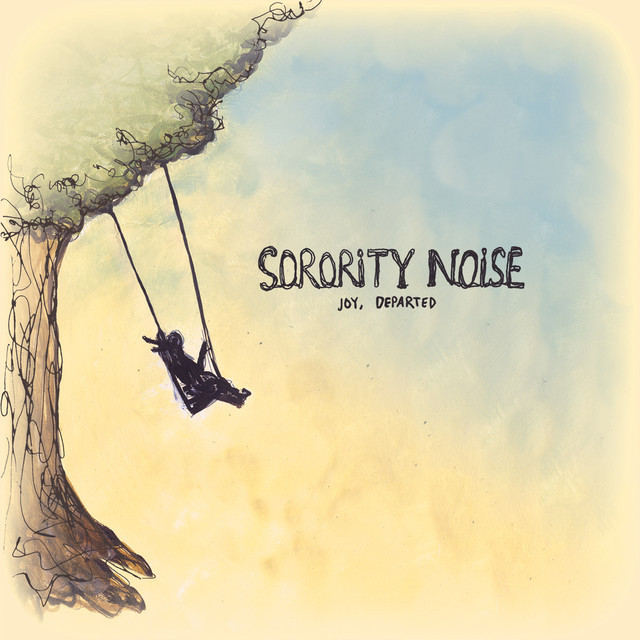
 View Artist