Song Meaning
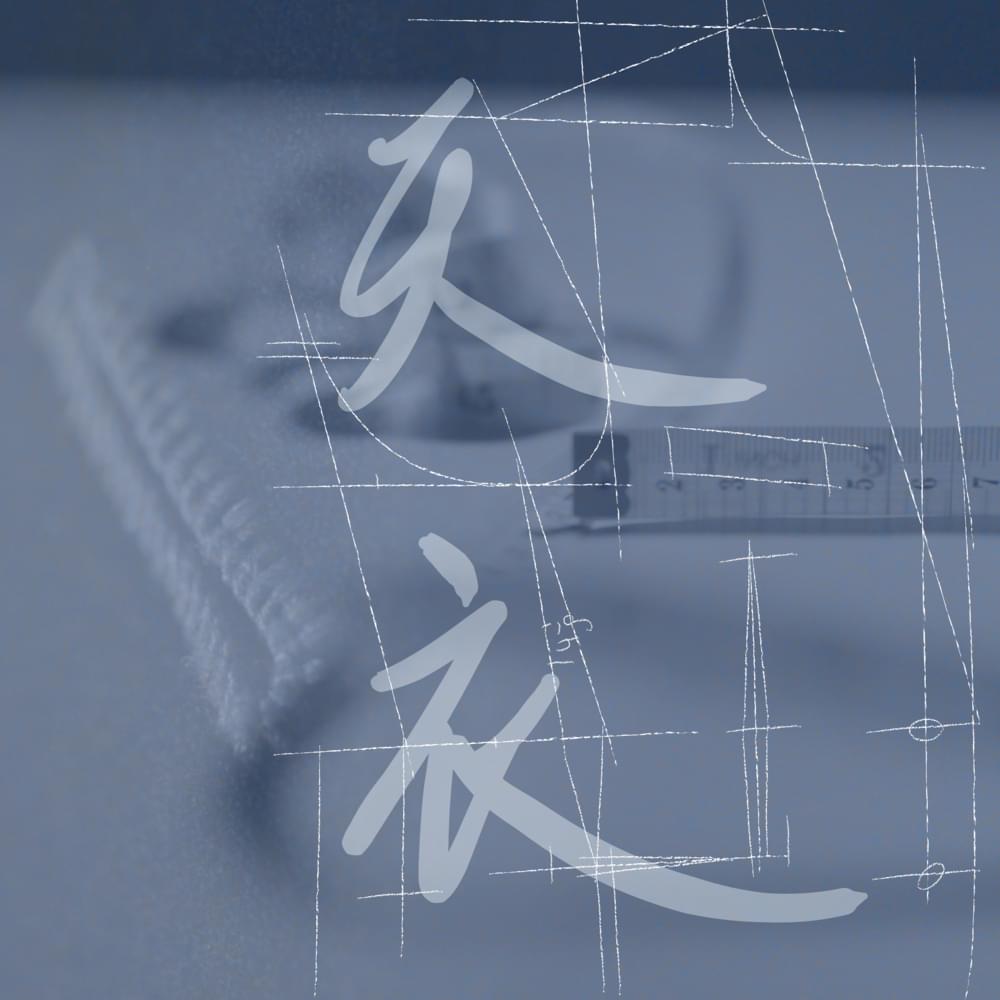
The lyrics of "天衣 (Tailored)" paint a picture of contrasting perspectives on time and connection, framed by the meticulous act of sewing. The opening lines immediately establish a sense of temporal disconnect: seasons shift, but distant lands and present winds remain out of sync. This sets up a core tension between looking far ahead, perhaps to a romanticized past or future, and focusing on the immediate present, the simple act of breathing and cherishing what's right in front of you. The repeated phrase "一針與一線" (a stitch and a thread) becomes a metaphor for this careful construction, whether it's weaving a "deepest" shirt or, as later revealed, uncovering desires.
The central conflict emerges in the chorus, a powerful call to action: "踏出吧 離開吧" (Step out, leave). It urges the listener to embrace the journey, even if the "embroidered cloth" (繡花布) is worn or torn, suggesting that imperfections are to be smoothed over and accepted. The idea of a "long road" (路太長) is met with the promise of a "shawl" (披肩) or "magic carpet" (飛氈), implying that the act of creating or offering something tangible, like a tailored garment, can facilitate growth and flight. Yet, there's a poignant counterpoint: if the collar fits perfectly, it can be removed, suggesting that true connection or readiness might mean shedding even the most comforting layers.
The most striking craft element lies in the duality of perspective presented through the sewing metaphor. The act of "tailoring" (天衣) is not just about creating something external, but about internalizing memories and desires. The lyrics juxtapose the vastness of "silk velvet" (絲絨) and the intimacy of "skin" (肌膚) extending, linking the grand and the personal through "a lifetime and a face" (一生與一臉) and "exquisite memories" (精緻記憶). This intricate weaving of the external and internal, the physical and the emotional, highlights how deeply personal experiences are constructed and remembered.
Ultimately, the song's effectiveness stems from its grounded yet expansive imagery. The act of sewing, a patient, deliberate process, becomes a vehicle for exploring themes of personal growth, the passage of time, and the nature of connection. The lyrics suggest that true fulfillment comes not from distant aspirations but from embracing the present, accepting imperfections, and finding beauty in the "every moment" (每一剎) that "changes" (變幻) and "shines" (燦爛). The final lines, "If you are living, wearing heavenly clothes, come to my side" (著上天衣 到我身邊), offer a hopeful resolution, envisioning a reunion built on self-acceptance and shared experience.
 View Artist