Song Meaning
Living intensely in the present, the lyrics reveal a paradox: embracing life too fully breeds anxiety about its inevitable end. The narrator confesses to being "lost in love" with the moment, yet this immersion triggers a fear of when that feeling, or life itself, might cease. This constant awareness of mortality, a "drawback in living for the moment," casts a shadow over enjoyment, suggesting that true appreciation requires a mindful acknowledgment of death.
The central tension lies in the conflict between cherishing the present and the dread of its conclusion. The lyrics propose a grim calculus: to "enjoy the present time," one must be "always carrying death in mind." This isn't about morbid fascination, but a stark realization that the finite nature of experience amplifies its value. The narrator's admission, "I'm not making plans," directly contrasts with the "freedom in making plans," highlighting a surrender to the immediate, driven by the fear of a future that may never arrive.
The most striking craft element is the repeated, almost mantra-like, questioning of fundamental human desires and actions. Phrases like "Who wants to die?" and the implied question of why we can't "take in what you see" underscore the irrationality of our pursuit of pleasure when shadowed by the certainty of its end. The analogy of a song that "was sung forever" and thus no one would "stop to dance" powerfully illustrates how transience creates urgency and appreciation. The narrator's repeated "I'm lost in love" becomes a refrain of this precarious balance, caught between ecstatic present and existential dread.
These lyrics resonate because they articulate a deeply uncomfortable truth about human experience: the exquisite beauty of life is inextricably bound to its impermanence. The writing doesn't offer easy answers but instead lays bare the psychological tightrope walk between savoring each moment and the fear of its passing. The raw, almost confessional tone, coupled with the stark imagery of death as a constant companion, creates a potent emotional landscape that feels both personal and universally understood.
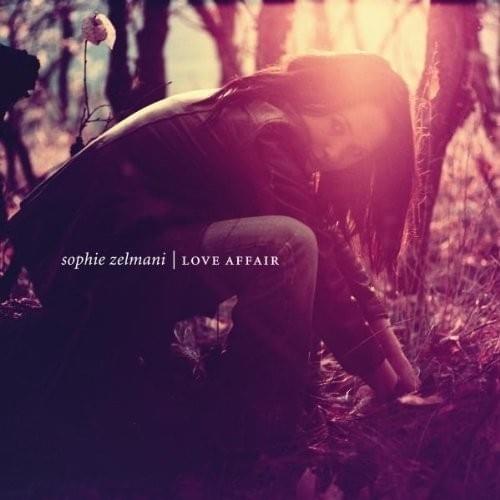
 View Artist