Song Meaning
The lyrics paint a stark picture of isolation and persistent emotional pain, set against a backdrop of perpetual darkness. The opening lines, "We are alone / We do not feel the warmth at all," immediately establish a sense of emotional detachment and coldness. This isn't just a physical chill; it's a deep-seated lack of connection, amplified by the phrase "darkest splendor," which suggests a grim beauty found in this isolation. The recurring line, "It won't go away," hammered home by its repetition, underscores the inescapable nature of this internal suffering, likening it to persistent "phantoms in my dreams."
The central tension here revolves around a desperate clinging to a shared experience of this bleakness, even as it causes pain. The narrator states, "We cannot wait to hear its call" and later, "We cannot bear to be apart," indicating a co-dependency born from shared suffering. This is a relationship defined not by comfort, but by mutual endurance of a profound, internal coldness, a "chill around my heart." The repeated chorus, "Until the Sun Goes Down," acts as a grim countdown or a promise of an end that never arrives, framing their existence as perpetually waiting for a resolution that remains out of reach.
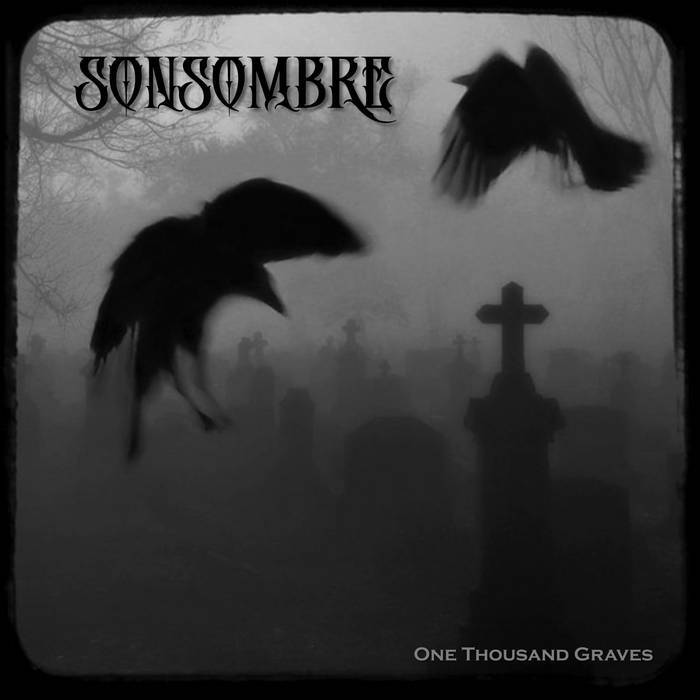
The most striking craft element is the consistent use of light and dark imagery, inverted to reflect the internal state. Instead of the sun bringing warmth and clarity, its absence or setting is the focal point, a marker of time that offers no hope. The "darkest splendor" and "darkest majesty" are not signs of power but of profound emptiness. By the end, the narrator can "cannot see the sky" and "cannot see the light at all," with "black phantoms" literally shading their eyes, suggesting that the internal pain has become so overwhelming it obscures any possibility of external hope or clarity.
This lyrical construction is effective because it grounds abstract pain in concrete, albeit bleak, imagery. The repetition of "It won't go away" and the chorus creates a suffocating, inescapable atmosphere that mirrors the narrator's emotional state. The inversion of typical light/dark symbolism forces the listener to confront a world where darkness is not just a setting but the very substance of experience, making the shared, painful isolation feel intensely real and deeply felt.
 View Artist