Song Meaning
The lyrics paint a picture of profound peace found in nature's embrace, specifically during the tranquil moments of twilight on a trail. The narrator experiences the world as dreamlike, with the natural sounds of a stream becoming their personal soundtrack. This idyllic scene is further enhanced by the simple act of resting, where the vast sky serves as a ceiling and the ground as a floor, stripping away conventional comforts for a more elemental connection.
The core of the song lies in the narrator's declaration of true contentment, unburdened by material wealth or financial obligations. They possess "no nickel in my jeans" and "no debt to pay," yet this lack of possessions is framed not as hardship, but as the very source of their happiness. This suggests a deliberate rejection of societal measures of success in favor of an internal, innate sense of fulfillment, as if "born that way."
The most striking element is the narrator's final wish: to be buried "underneath the lonesome pine on the hill" when their "voice is still." This isn't a morbid request, but rather a final act of merging with the natural world that has provided such solace. It underscores a desire to remain part of the landscape, to continue experiencing the "twilight on the trail" even in death.
This lyrical simplicity is precisely what makes it so effective. By focusing on sensory details – the stream's ripple, the sky's expanse, the grass's texture – and contrasting material poverty with spiritual richness, the song creates a powerful evocation of freedom and deep-seated peace. The closing image of the burial wish solidifies the narrator's ultimate connection to the natural world, a quiet affirmation of a life lived on its own terms.
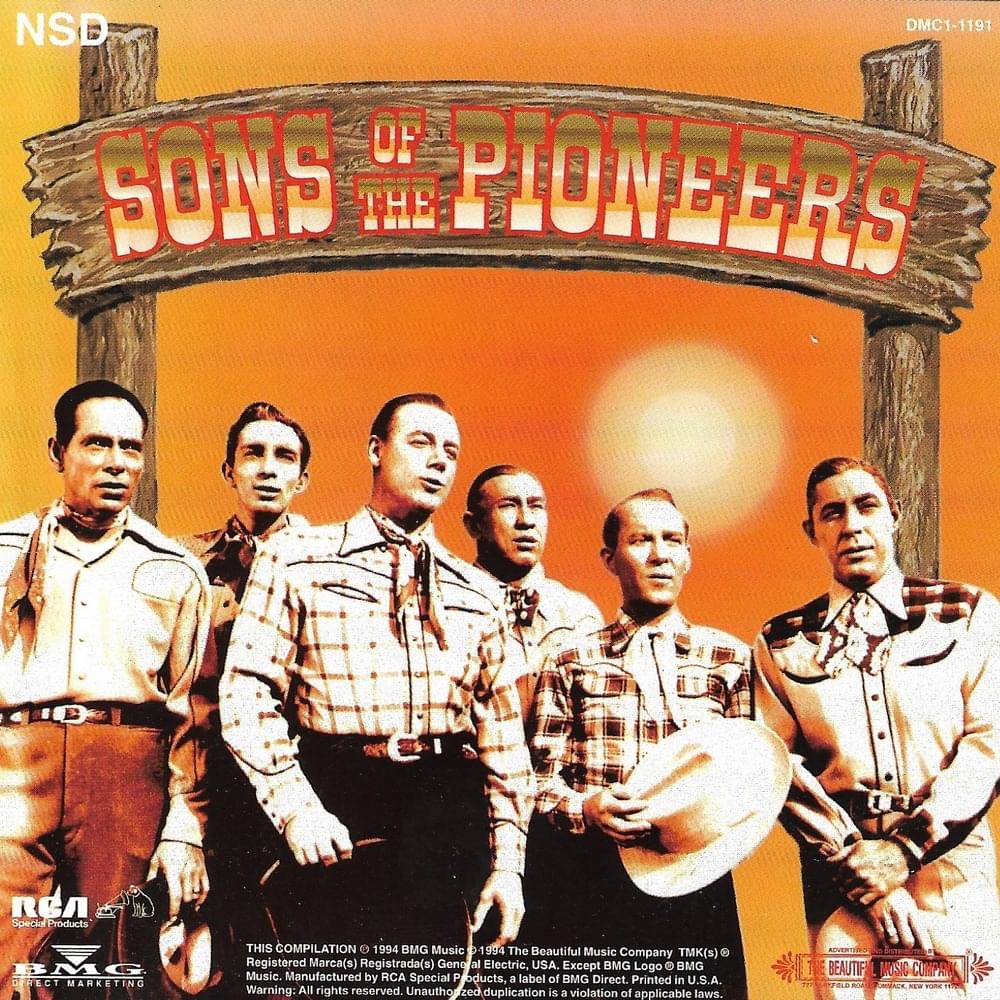
 View Artist