Song Meaning
The lyrics paint a stark, almost elemental picture of a solitary cowboy's life. We open with the sounds of the wild – prowling cattle and howling coyotes – setting a scene of rugged isolation. The dominant mood is one of lonesome duty, underscored by the recurring "cattle call" that punctuates the verses. This isn't just a song; it's the soundtrack to a life lived under wide-open skies.
The central tension arises from the contrast between the harshness of the environment and the cowboy's seemingly unwavering spirit. He wakes to coffee "strong," makes his bed "in a roll," and rides "in the sun 'til his day's work is done." Even when "the night wind blows up a squall," his heart is "like a feather." This suggests a deep-seated resilience, an ability to remain unburdened despite the demanding nature of his work and surroundings.
The most striking element is the repetition of the "cattle call" itself. It's the cowboy's constant companion, sung "when spurs are a-jingling," "starting the day with this song," and even when "the night wind blows up a squall." This recurring motif transforms the call from a mere task into a defining characteristic of his existence, a vocalization of his solitary commitment to the land and the herd.
Ultimately, the effectiveness of these lyrics lies in their unadorned portrayal of a specific, demanding lifestyle. The simple, direct language and the focus on sensory details – the howling, the jingling, the strong coffee – create an immersive experience. The repeated "cattle call" acts as an anchor, grounding the listener in the cowboy's persistent, almost meditative, engagement with his world.
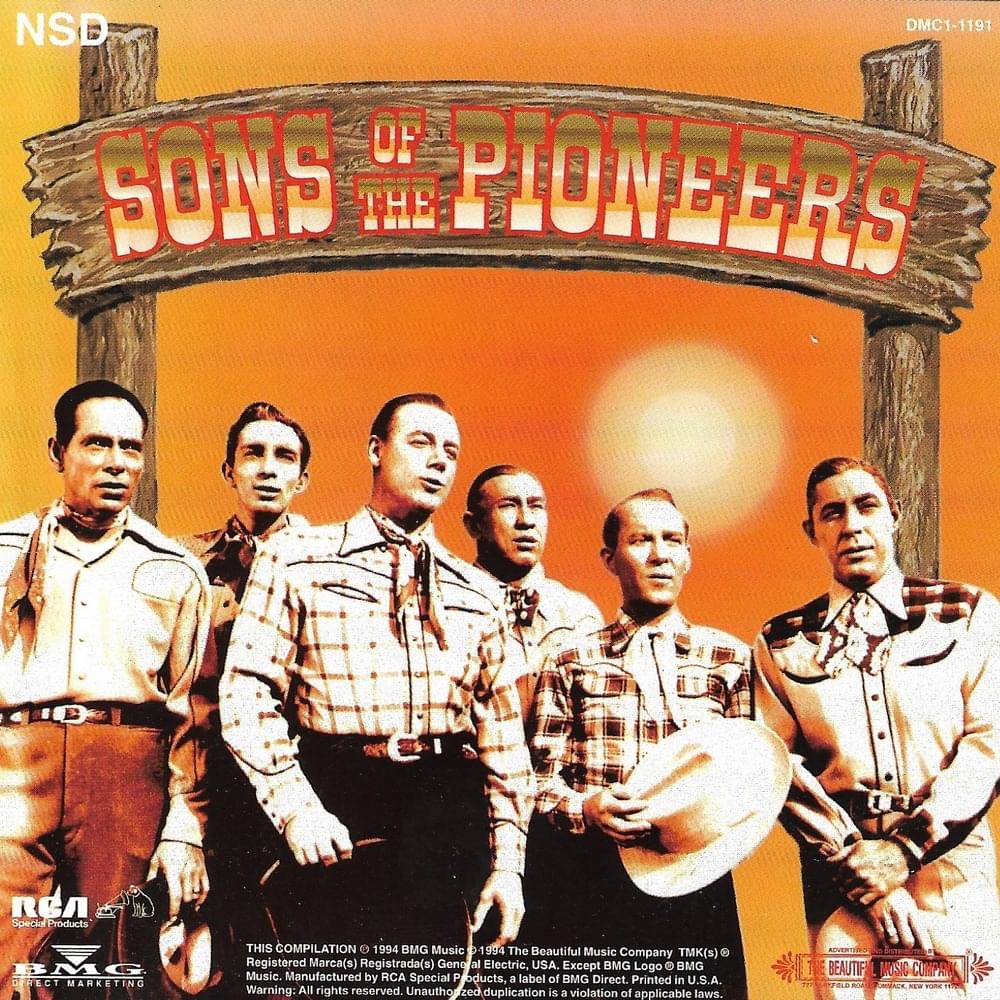
 View Artist