Song Meaning
The lyrics of "Whiskey and Wine" immediately plunge us into a hazy, regret-tinged reflection. The opening image of "mixing whiskey and wine" suggests a state of disarray or a desperate attempt to cope with unresolved feelings. It sets a tone of introspection, hinting at a past connection that still weighs heavily on the narrator's mind.
A central emotional tension emerges from the repeated lament, "Whatever happened to you / You were once the sweetest thing I knew." This stark contrast between a cherished past perception and a changed present drives the narrative. The narrator grapples with the unsettling possibility that this transformation might be "just a lie," or perhaps a painful truth catching up to them, creating a profound sense of loss and disillusionment.
Craftily, the lyrics weave in a physical journey that mirrors this internal struggle. The narrator drives to "New Orleans," only to find "it ain't the sight I had in my dreams," suggesting an unfulfilled search for escape or resolution. This travel, however, ultimately leads back to the core issue, reinforcing the earlier admission that "Distance was never quite the blame" for the relationship's unraveling. The external world offers no solace from the internal question.
Ultimately, the lyrics' power lies in their blend of perceived insight and desperate longing. The narrator claims to see past the other person's facade, asserting, "Girl I swear those eyes / They're hiding all your fears." This moment of perceived vulnerability leads to a poignant, urgent plea for a fleeting connection: "Can I have this dance with you / Stay with me for just one more song." The final, emphatic declaration, "Best believe it," leaves the listener to ponder the certainty of these observations and the enduring weight of a love irrevocably altered.
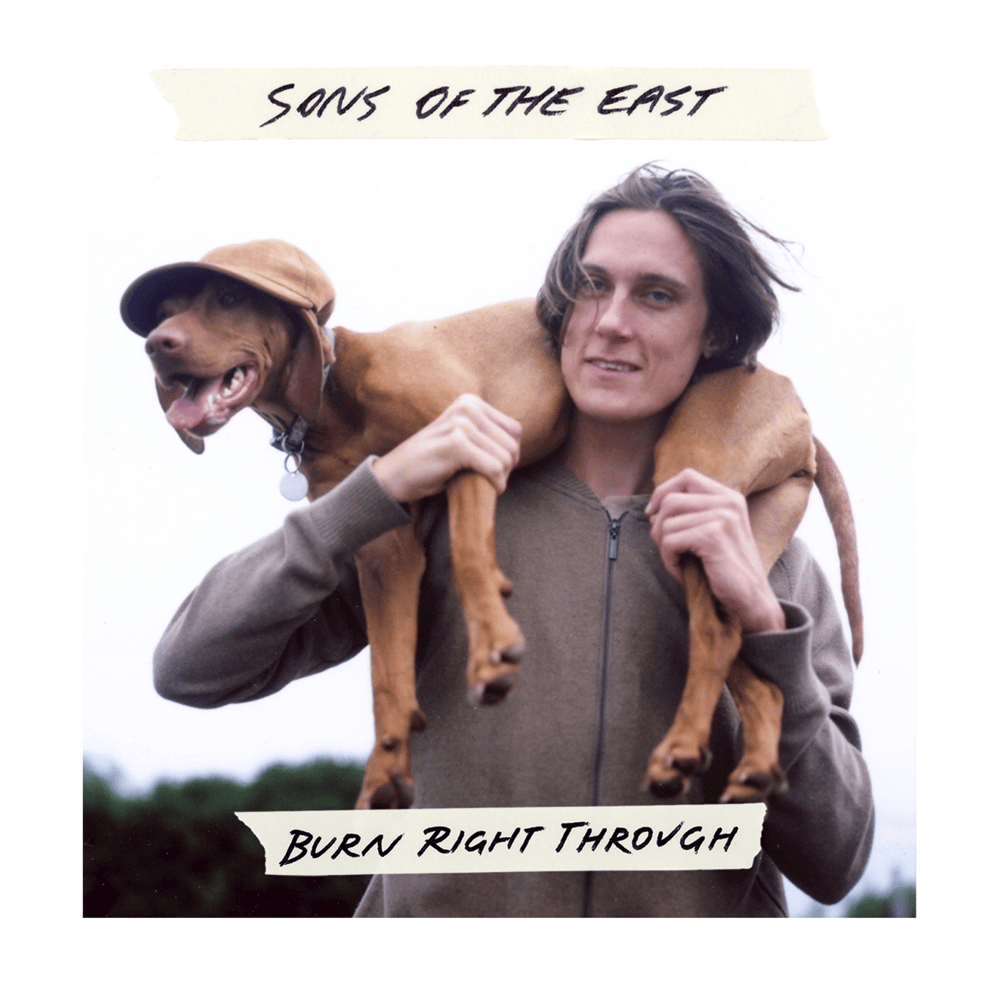
 View Artist