Song Meaning
The lyrics paint a picture of a relationship that began with perceived positive intent, a mutual decision to "turn wrong to right." The narrator recalls being drawn in by someone who "made the first move," suggesting an initial attraction or perhaps a shared ambition. There's a sense of shared purpose, a belief that their actions were justified or corrective.
The core tension emerges with the introduction of a third party, a "he" described as a "good man in his day." This figure’s presence casts a shadow, as his "smile disappeared into his straight face." This stark imagery suggests a loss of warmth or a shift to a more severe, perhaps judgmental, demeanor, hinting that the initial positive momentum of the relationship might have been undermined or complicated by external perceptions or the actions of this other man.
The most striking shift occurs when the narrator declares, "And now that I can hear / It all has past." This signifies a moment of clarity and retrospective understanding. The repetition of "You made the first move / When I was near you / We turned wrong to right" transforms from a statement of shared positive action to a potentially ironic reflection on how that initial impetus led to a situation now viewed differently. The narrator thanks themselves for persevering, implying a difficult process of realization and self-preservation.
This lyrical arc is effective because it captures the subtle erosion of a relationship's foundation. The initial optimism is gradually complicated by external judgment and an internal reckoning. The final lines, "The next will last," offer a note of hard-won hope, suggesting that the narrator has learned from the experience and is moving forward with newfound wisdom, ready for a more stable future.
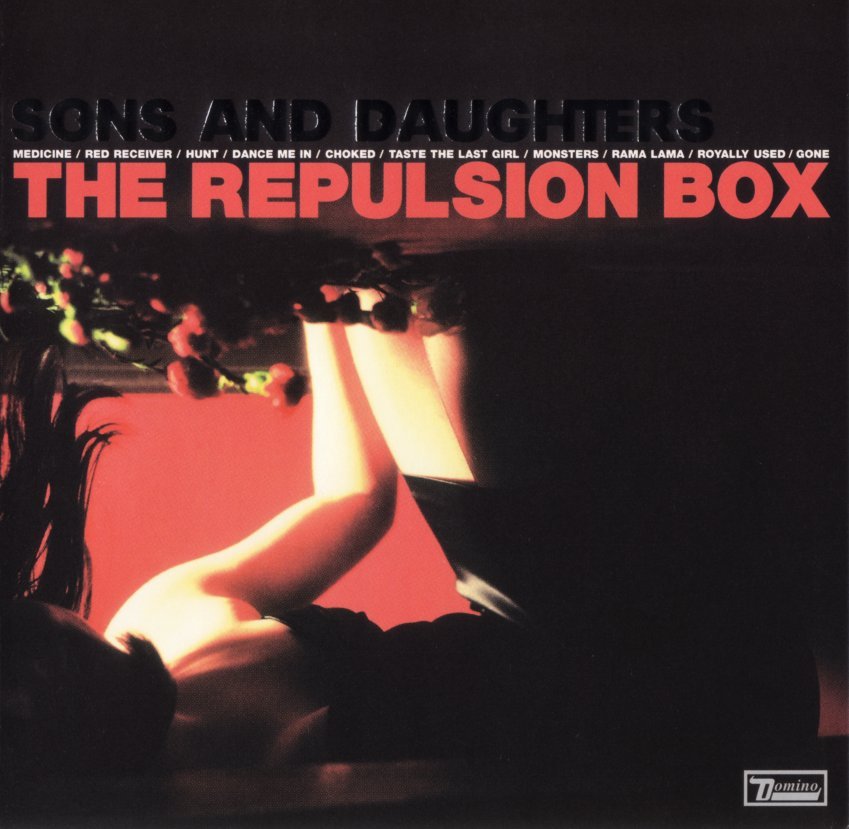
 View Artist