Song Meaning
The lyrics open with a stark declaration of perceived inadequacy: "Non vivo mai abbastanza," a thought attributed to another. This immediately sets up a dynamic of judgment and self-doubt within what's called "una storia importante." Yet, the speaker questions the very nature of shared love, asking "l'amore a due cos'è?", hinting at a profound disconnect. A sense of isolation quickly emerges, with the speaker feeling "perso in un mondo che solo io so."
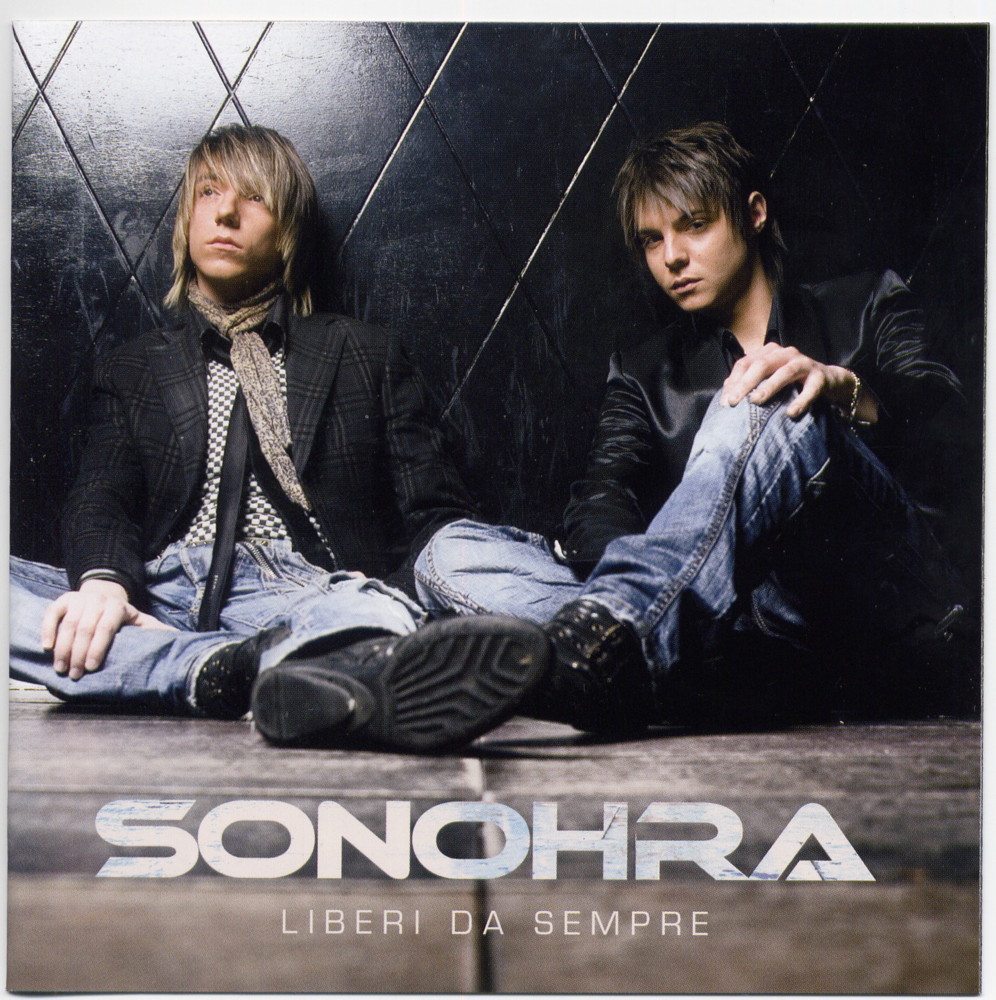
The central tension revolves around a paradoxical freedom. The repeated phrase "Liberi da sempre" and "Da tutto e niente" suggests a state that is both absolute and utterly empty. This supposed freedom seems to breed loneliness, as the speaker pleads, "Slegami se la mia solitudine," desiring release from this self-imposed or relational isolation. The longing to "L'amore che non c'è" directly points to a significant emotional void, which the lyrics attribute to an imbalance: "tu vuoi solo più di quel che dai."
The craft effectively deepens this conflict by shifting perspective, momentarily placing the listener in the other person's shoes. We see them "Sola nella tua stanza," closing their eyes "alle lacrime," suggesting a shared, unspoken pain beneath the surface. The powerful image of "il buio / Esplode tra noi" vividly portrays a sudden, destructive revelation of hidden issues. This moment of crisis is met with a call to action: "Difendi l'amore che hai," urging protection of what remains, even amidst the emotional fallout.
The lyrics achieve their emotional impact through a compelling transformation of the "liberi" motif. Initially a statement of problematic present freedom, it evolves into a hopeful aspiration in the final chorus: "Liberi saremo come angeli / Che volano tra gli alberi / Senza cadere mai." This vision of resilient, soaring freedom contrasts sharply with the earlier sense of being lost. Crucially, the accusation "più di quel che dai" is replaced by an affirmation: "tu per me sei più di quel che hai," suggesting a profound shift from focusing on what's given or taken to recognizing the other's inherent worth. This pivot offers a powerful, redemptive arc, hinting at a path towards genuine connection.
 View Artist