Song Meaning
Sonny James' "Walk to the Dance" captures that heart-fluttering anxiety of early romance, where every detail feels monumental. The initial predicament – having to walk his date to the dance – is framed as a potential catastrophe. He agonizes over the perceived social faux pas, fretting about whether it's appropriate to ask his 'angel' to endure such a pedestrian experience. This speaks to the inherent insecurities and class anxieties that often bubble beneath the surface of teenage courtship. The lyrics hint at a generational divide, where "folks" simply "don't understand" the delicate performance of romance.
However, the song deftly pivots from potential disaster to genuine connection. Her response – "Darling please don't mind, I would like to walk" – is a moment of grace. It subverts the narrator's anxieties and elevates a simple walk into an intimate act of rebellion against societal expectations. The shared experience becomes more valuable than the dance itself. This resonates deeply with the idea that true connection transcends superficial concerns; it's about the shared moments of vulnerability and acceptance. The act of "count[ing] the stars" and "tak[ing] our time" transforms the walk into a space for authentic interaction, far removed from the pressures of the dance floor.
Ultimately, "Walk to the Dance" is a celebration of unexpected joy found in simplicity. The nightingale's song and the distant chapel bells aren't just window dressing; they're external validations of the blossoming love. The repetition of "We fell in love on our walk to the dance" underscores that the journey itself, not the destination, was the catalyst for their connection. The song's charm lies in its recognition that sometimes, the most memorable moments are the unplanned, unglamorous ones, where genuine affection shines through the cracks of expectation. It reminds us that true love isn't about grand gestures, but about the willingness to share the ordinary with someone special.
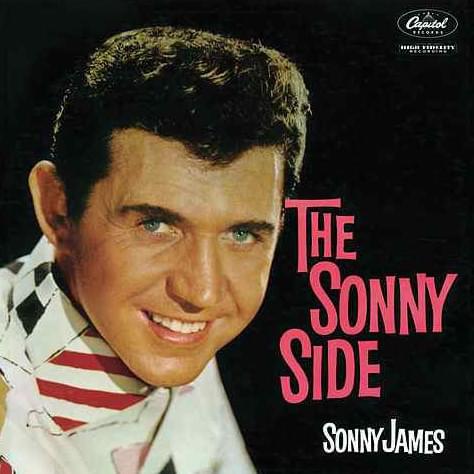
 View Artist