Song Meaning
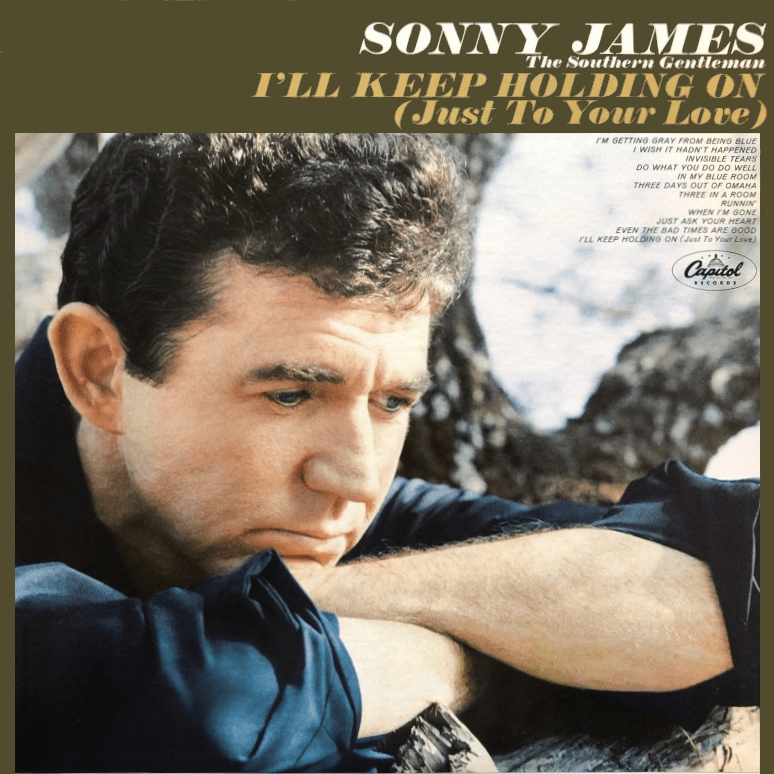
Sonny James's "Three In A Room" distills romantic betrayal to its most claustrophobic essence. The sparse lyrics paint a picture of intimacy invaded, not by a physical presence, but by the insidious intrusion of a phone call. It's a potent symbol of emotional infidelity, highlighting the way technology can facilitate deception and erode the boundaries of a relationship. The repetition of "Three in a room" acts as a haunting mantra, underscoring the singer's feeling of being trapped and suffocated by this invisible third party. The song isn't about a momentary lapse; it's about a persistent, ongoing triangle.
The psychological weight of "Three In A Room" lies in its exploration of denial and unspoken truths. The singer acknowledges the obvious—"We both know so why pretend"—yet is forced to endure the charade. The act of listening to the laughter and coded conversation becomes a form of self-inflicted torture, amplifying the pain of betrayal. This passive observation suggests a power imbalance within the relationship, where the singer feels helpless to confront the infidelity directly. The simple question, "Do you think I'm too blind to see," drips with sarcasm and a profound sense of hurt.
Ultimately, the song’s strength resides in its stark simplicity and emotional honesty. James avoids melodrama, instead opting for a quietly devastating portrayal of a relationship fractured by deceit. The "friend on the phone" isn't just a rival; he represents the erosion of trust and the painful realization that the singer is no longer the sole recipient of his partner's affection. The song's resonance lies in its ability to evoke the universal fear of being replaced and the agonizing experience of watching a relationship crumble from within.
 View Artist