Song Meaning
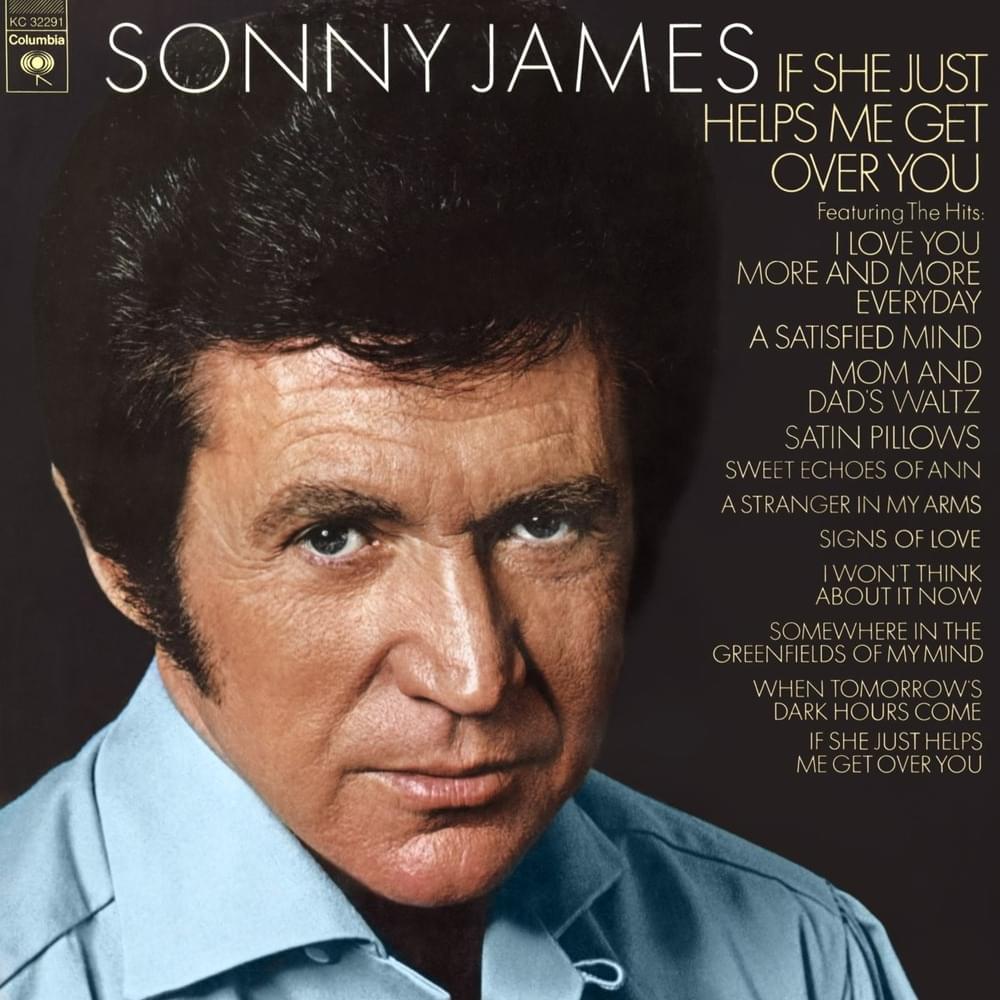
Sonny James's "If She Just Helps Me Get Over You" isn't a love song; it's a raw, painfully honest admission of emotional triage. Stripped of romantic pretense, the lyrics lay bare the singer's strategy: using a new relationship as a crutch, a means to escape the lingering pain of a past love. The opening lines immediately establish the transactional nature of this new connection. It's not about passion or deep affection; it's about finding someone who "won't break my heart the way you do." This sets the stage for a brutally honest portrayal of vulnerability, a willingness to settle for comfort over genuine connection. The singer isn't offering love; he's offering a project.
The chorus acts as a kind of desperate plea, a hope that the new partner can provide enough support to dull the memories of the old. The repetition of "If she just picks me up when I get down / If she's there when the memories walk around" highlights the singer's fragile emotional state. He's not looking for a soulmate; he's looking for a caretaker, someone to buffer him from the waves of grief. The line "Maybe someday, I'll love her as much as I love you" is particularly poignant, acknowledging the impossibility of replacing the past love while clinging to the hope that something resembling love might eventually blossom. It is a declaration of the emotional labor he expects of this new partner.
The second verse reinforces this sense of resignation. "I don't suppose that lovin' will ever be the same" is a stark acceptance of a diminished capacity for love. He acknowledges that this new woman "wants me the way I wanted you," further emphasizing the imbalance of the relationship. This creates a sense of unease, a recognition that he's potentially leading someone on while simultaneously being upfront about his emotional limitations. The song's power lies in its unflinching honesty, its willingness to expose the messy, sometimes selfish, ways we cope with heartbreak. "If She Just Helps Me Get Over You" is a portrait of a man clinging to survival, even if it means using someone else as a lifeline. It's a reminder that healing isn't always pretty, and sometimes it involves collateral damage.
 View Artist