Song Meaning
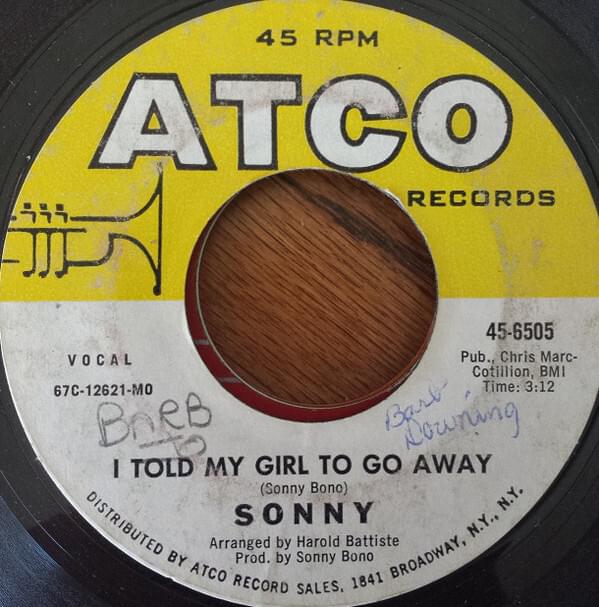
Beneath the breezy pop veneer of Sonny Bono's "I Told My Girl to Go Away" lurks a brutal, deeply internalized conflict. It's a deceptively simple narrative about a breakup, but the song's power resides in its raw, exposed nerve endings. This isn't a tale of romantic incompatibility; it's a story of societal pressure and self-inflicted emotional damage. The opening verses set the stage: a seemingly cold dismissal, the protagonist telling his girlfriend to leave him forever. But the fragility in her response ("Without you near, I think I'd die") hints at a deeper connection, a bond worth fighting for. The repeated plea, "What can I do to make you stay?" underscores the devastating impact of his words. But the real gut-punch lies in the fourth verse, which unveils the source of the protagonist's actions: parental disapproval rooted in prejudice. The overheard conversation, dripping with passive-aggressive bigotry ("When she starts dating her own kind"), reveals the insidious influence shaping his decision.
The core of "I Told My Girl to Go Away" isn't about lost love, but about the protagonist's agonizing choice between personal happiness and familial acceptance. He's trapped, a puppet dancing to the tune of his parents' bigotry. The line "The pain inside she could not see" speaks volumes about his internal struggle. He's sacrificing his own happiness to appease societal expectations, a choice that ultimately destroys him. The repeated phrase "I told my girl to go away" becomes a mantra of self-destruction, a constant reminder of his cowardice.
The song's tragic weight culminates in the stark admission: "And then I died that day I lied." This isn't mere hyperbole; it's a psychological death. He sacrifices a part of himself, his capacity for genuine love and happiness, on the altar of societal conformity. The final lines, a haunting echo of his initial rejection, underscore the lasting consequences of his choice. "I Told My Girl to Go Away" is more than just a breakup song; it's a chilling exploration of internalized prejudice and the devastating price of suppressing one's true feelings. Sonny Bono, perhaps unwittingly, crafted a poignant commentary on the destructive power of societal expectations and the enduring scars they leave behind.
 View Artist