Song Meaning
The lyrics paint a picture of intense, almost obsessive observation, starting with a narrator "in a state of shock" and "creeping up and down your block." This isn't a peaceful contemplation; it's an active, anxious pursuit of another person's attention. The narrator is trying to "catch your view," suggesting a desire for recognition and connection, but the initial tone is one of unease and surveillance. The line "It's not a quiet meditation" directly contrasts the external action with an internal state, highlighting the restless energy driving the narrator.
The central tension emerges in the chorus, where shared knowledge is presented as a fragile, perhaps even painful, truth. The narrator states, "Darkness makes the night more cold / That's what we know about me," implying a self-awareness of their own coldness or isolation. This is then flipped in the second chorus: "Forever means the night turns gold / That's what we know about you," suggesting the other person brings warmth and a sense of enduring possibility. The contrast between "cold" and "gold" is stark, marking a significant emotional shift tied to the presence of this other individual.
The lyrics employ striking imagery, like "frozen perfection" and the almost surreal "funny how the mountains slide." The latter suggests a profound, destabilizing change occurring in the relationship, where fundamental aspects of reality seem to shift. The narrator's declaration "I drink a case of you" is a potent, if slightly ambiguous, metaphor for complete absorption or intoxication with the other person. This intense focus culminates in the final chorus, "That's what we know about us," signifying a shared understanding and a unified identity forged through this intense experience.
Ultimately, the effectiveness of these lyrics lies in their ability to capture the disorienting intensity of deep connection. The writing moves from a place of anxious observation to a shared, transformative experience, using sharp contrasts and evocative, slightly surreal imagery. The progression from "what we know about me" to "what we know about you" and finally to "what we know about us" charts an emotional arc from isolation to profound, shared reality.
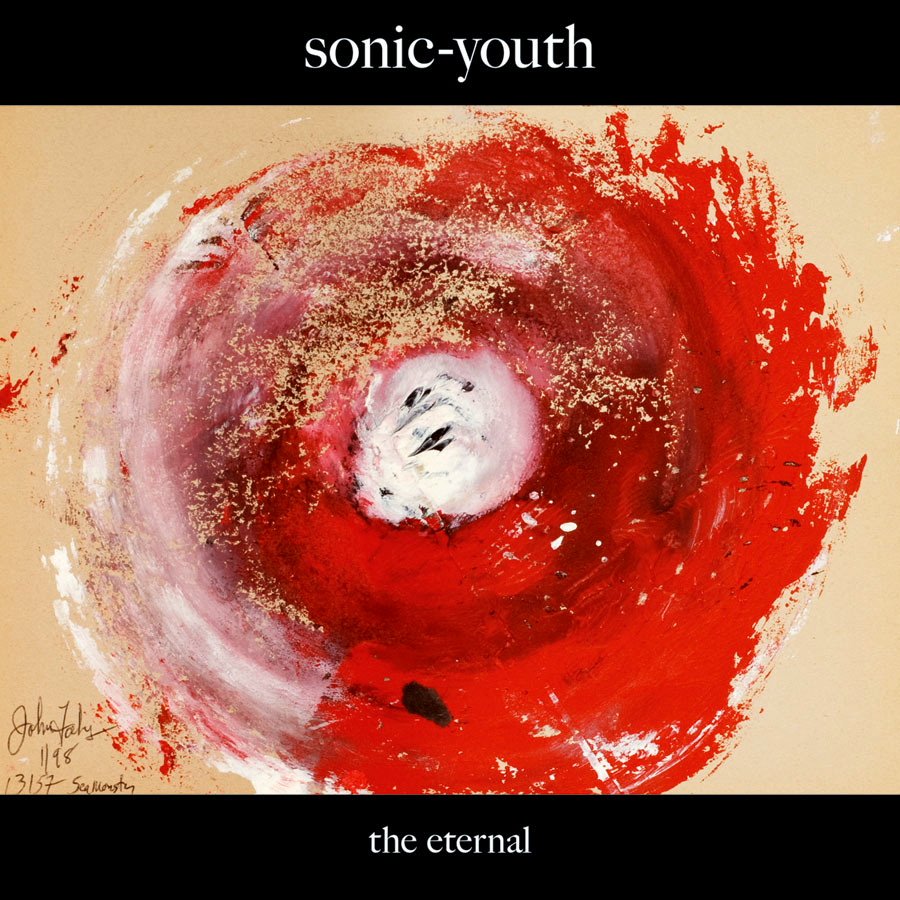
 View Artist