Song Meaning
The lyrics paint a stark, almost casual picture of a confrontation with the devil. The opening lines establish a sense of inevitability, with Satan arriving "early this morning" and the narrator's resigned "I believe it's time to go." This isn't a struggle, but an appointment kept. The immediate shift to "Me and The Devil are walkin' side by side" solidifies this partnership, framing the subsequent violent threat not as a consequence of the devil's arrival, but as a pre-existing, perhaps even devil-inspired, impulse. The narrator intends to "beat my man until I get satisfied," a chilling declaration that blurs the line between the supernatural visitor and the narrator's own destructive desires.
The core tension lies in the narrator's attempt to externalize their own harmful actions. When the partner complains, "you ain't treating me right," the narrator deflects, attributing their behavior to an "old evil spirit / So deep down in the ground." This suggests a struggle for agency, a desire to disavow personal responsibility by blaming an external, ancient force. However, the repeated assertion of walking "side by side" with the devil undermines this defense, implying that the spirit is not just an external influence but a companion, a part of the narrator's own path.
The most striking craft element is the narrator's final wish for their burial. They don't want a conventional resting place; instead, they desire to be "bury my body down by the highway side." This is not about peace or remembrance, but about facilitating the escape of their "old evil spirit" via a Greyhound bus. This image is powerfully surreal, transforming a physical death into a literal, mobile continuation of the narrator's destructive essence, now free to roam independently, perhaps to find new victims or simply to continue its restless journey.
What makes these lyrics so potent is the unsettling blend of the mundane and the infernal, coupled with a defiant embrace of destructive impulses. The narrator accepts the devil's presence not with fear, but with a grim camaraderie, and uses the supernatural encounter as a justification for their own violent intentions. The final image of the spirit riding a bus is a darkly humorous, yet deeply disturbing, encapsulation of a soul that refuses to rest, choosing instead a perpetual, unrepentant movement fueled by its own ingrained malice.
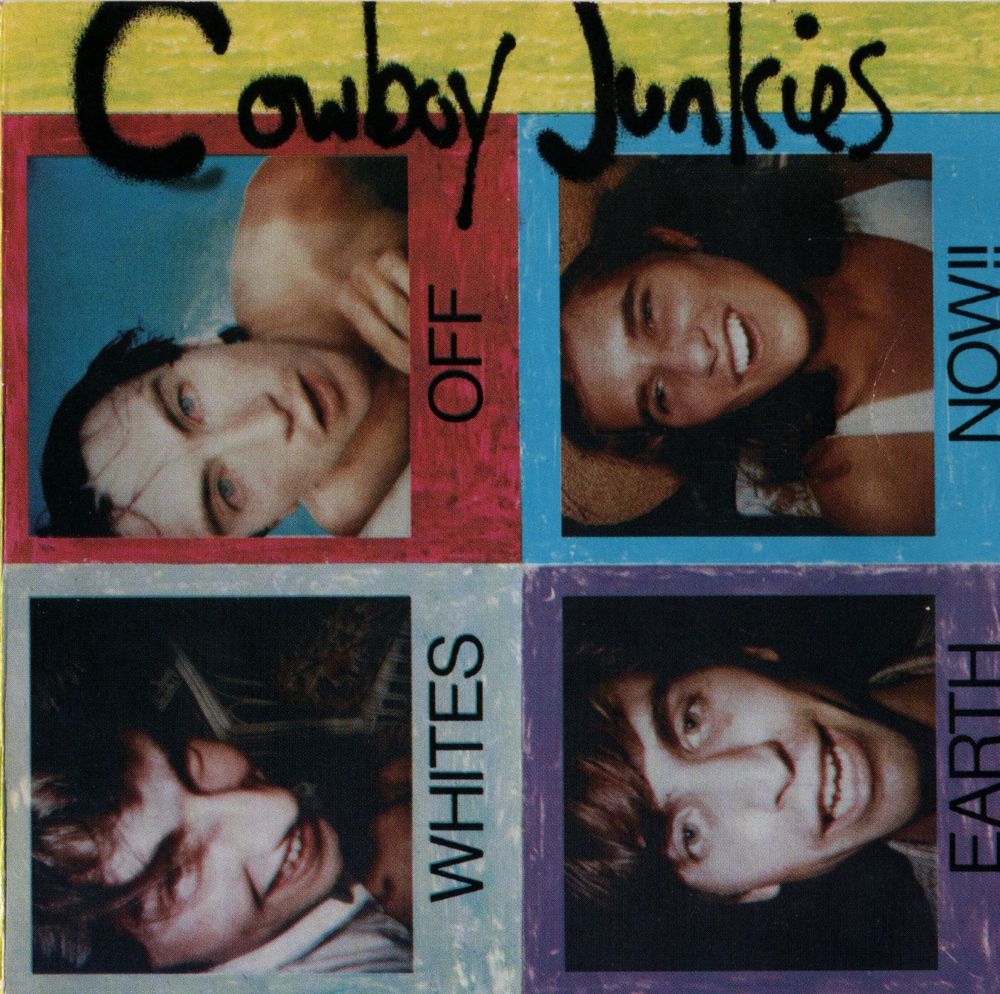
 View Artist