Song Meaning
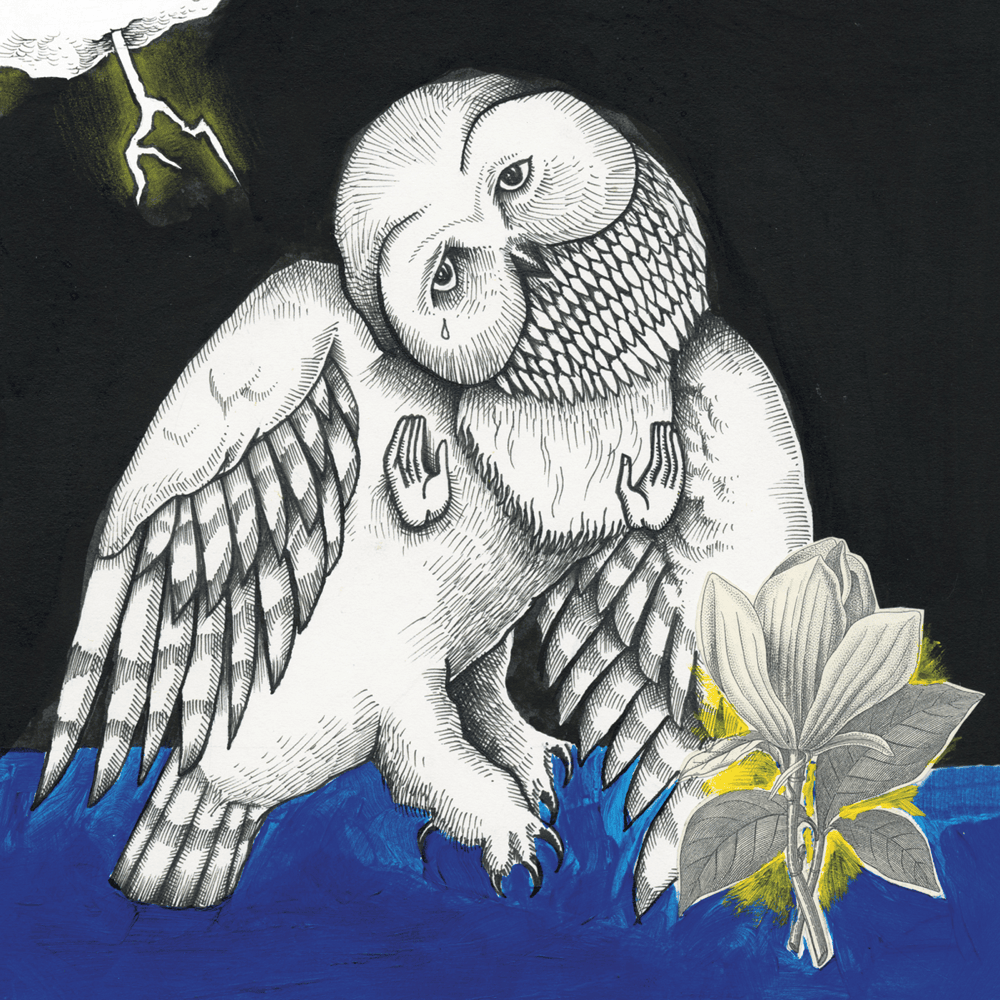
The lyrics paint a stark picture of a person standing on the "66 highway," a place of departure or perhaps a point of no return, with "Wysteria, Magnolia beside the green line track." The command "don't come back" hangs heavy, establishing an immediate emotional tone of finality and loss. This initial scene sets a somber stage, hinting at a significant separation or a decision that has led to this lonely highway.
The central tension emerges with the narrator finding themselves "standing on the mountain" beneath a "full moon heart." This is where the legend of John Henry is invoked, with the powerful, almost violent image of "John Henry split this heart." This phrase is repeated, emphasizing a profound emotional fracture or heartbreak. The narrator is left with a divided self, a heart "in two," grappling with the aftermath of this forceful separation.
The craft here hinges on the potent, almost mythical allusion to John Henry, a figure known for his strength and tragic end in a contest against a machine. The lyrics repurpose this legend, not for a battle of labor, but for an internal, emotional shattering. The repeated question, "Boy what you going to do / With your heart in two?" directly confronts this broken state, demanding an answer to an impossible situation. The subsequent lines about paying a band and saving money, "Half, I'm going to use / To pay this band / Half, I'm saving / 'Cause I'm gonna owe them," suggest a desperate attempt to manage the practical fallout of this emotional devastation, a pragmatic response to an overwhelming internal crisis.
This lyrical construction is effective because it grounds an abstract emotional wound in concrete, almost folkloric imagery. The juxtaposition of the lonely highway, the mythical hammer blow, and the mundane financial worries creates a powerful sense of a life irrevocably altered. The "long dark blues" and the "big star is falling" further amplify this feeling of impending doom and deep sorrow, making the narrator's fractured state palpable and resonant.
 View Artist