Song Meaning
The lyrics open with a deceptive promise of salvation, where light from above brings a sacred dove. Yet, this hopeful image is immediately subverted as the dove descends "To the basement," suggesting a hidden, darker destination. This quick pivot establishes an unsettling tone, hinting that comfort might come with a cost. The initial sense of relief quickly gives way to a creeping unease.
A central tension emerges from the repeated offer of help that ultimately harms. The text describes how supposed solace, like napkins to dry eyes, can instead "blind them," stripping away perception. This pattern of deceptive aid is reinforced by an ominous, recurring presence: a collective that will "come to your home" with "Faces down." This faceless group seems to be the instrument of this unsettling exchange, creating a pervasive sense of vulnerability and invasion.
The structure, built on "When there is" clauses, initially sets up conditional scenarios, but these quickly devolve into inevitable, often negative, outcomes. The most striking shift occurs mid-lyrics with the direct address: "But you / Have been fooled." This abrupt break from the observational tone implicates the listener, suggesting a past awareness of "the rules" that ultimately proved insufficient. The declaration that there is "No guarantee / Against infamy" underscores a harsh reality where knowing the game doesn't protect against its consequences.
These lyrics are effective because they build a world steeped in a chilling sense of betrayal and inescapable dread. The image of "Dead passengers will guide you home" is particularly potent, a macabre paradox where the lifeless offer direction, but only "If they can just feed you." This implies a parasitic exchange, not genuine assistance. The repeated refrain about "They" coming to your home with "Faces down" acts as a haunting, inescapable reminder of a dehumanizing force that infiltrates personal space, leaving the listener with a profound sense of lost agency and a world where help is a trap.
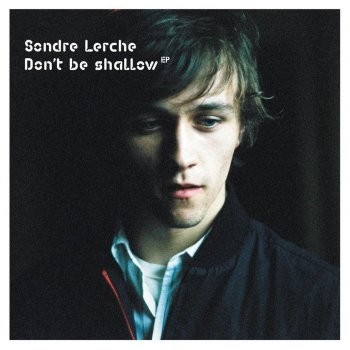
 View Artist