Song Meaning
The lyrics paint a picture of fragmented experiences, where life's setbacks are met with a surprising resilience, a "fall that didn't burn with laughter." This suggests a perspective that finds humor or a strange lightness even in hardship. The chorus, "Living it down / Just enough time to revel," reinforces this idea of making the most of circumstances, finding moments of joy or celebration within the flow of life, however imperfect.
The central tension seems to lie between external observation and internal experience. The narrator notes "faces wearing different dreams" while "walking on the street side," highlighting a disconnect between the shared public space and individual aspirations. There's a sense of observing the world's machinery and its impact, but the personal response is one of finding personal satisfaction within it, "just enough time to revel."
The phrase "driving the view" is the most intriguing craft element. It implies a unique perspective, one where the act of moving forward and observing the landscape also dictates the pace and perception of life. The line "The pace looks up when the burn goes down" suggests that as intensity or difficulty lessens, the overall outlook improves, a direct consequence of this active, engaged viewpoint.
Ultimately, these lyrics resonate because they capture a specific kind of American optimism, not one of naive happiness, but a hard-won acceptance. The writing finds power in the small moments of "revel" and the active choice to "drive the view," suggesting that agency and a touch of humor can transform even difficult circumstances into something manageable, even enjoyable.
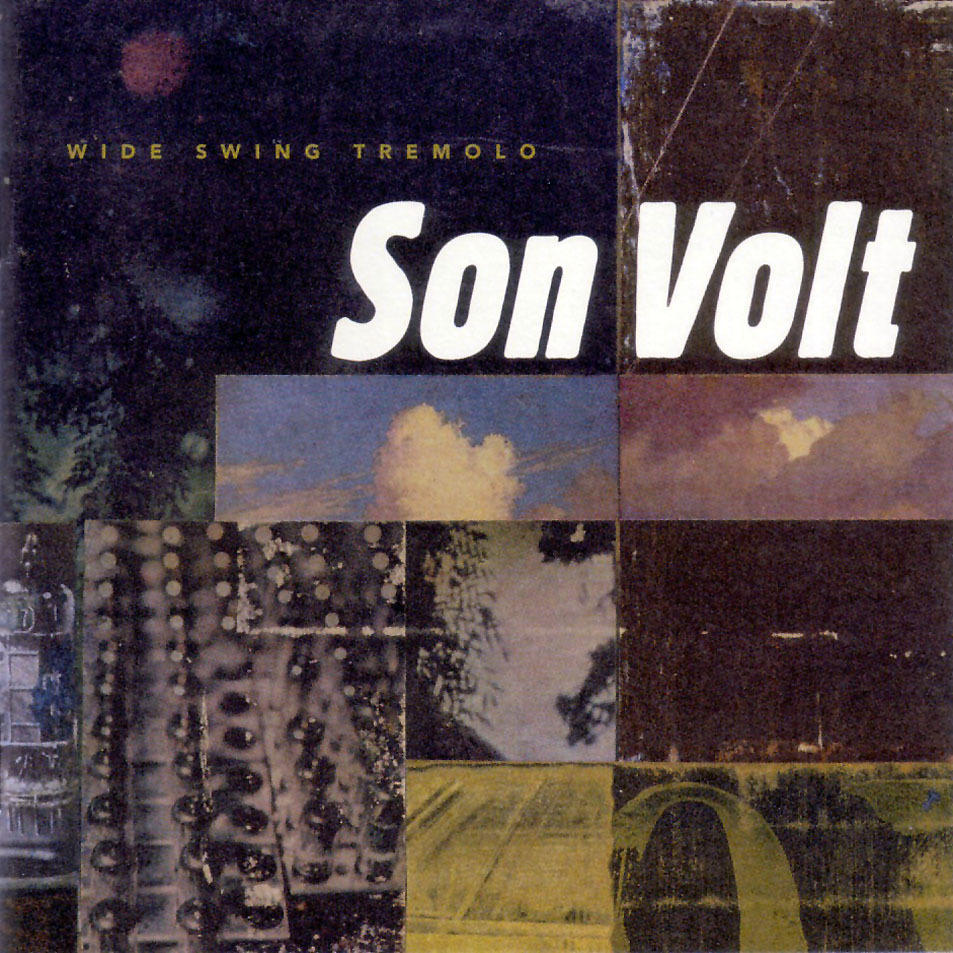
 View Artist