Song Meaning
The lyrics paint a stark picture of a listener being offered a profound, almost sacrificial, empathy. The opening verses establish a pattern of mirroring: "Speak, I am listening," "Cry, watch me weep," "Wail, hear me howl." This isn't just passive observation; it's an active absorption of the other's pain, culminating in a promise to "sing for you." The narrator seems to be positioning themselves as a vessel, ready to take on whatever emotional output is directed at them, offering a complete emotional resonance.
The central tension emerges in the refrain, which contrasts the perceived fortune of youth with a more complex reality. "You're lucky to be young / With future in your form" initially sounds like a platitude, but it's immediately undercut by the phrase "violence through labor, delivery." This suggests that even the beginning of life, the very act of being born or brought into existence, is fraught with struggle and perhaps even trauma. The "songs fill up your lungs" becomes less about joy and more about the involuntary act of breathing, of existing within this difficult framework.
The most striking shift occurs in the outro, flipping the refrain's sentiment entirely: "Unlucky to be young / To start so near the end." This recontextualizes the entire song, implying that the listener's youth is not a blessing but a precarious position. The imagery of moving "From sleeping in the waters / To waking in the flames" is a powerful metaphor for a transition from a state of potential or peace to one of immediate crisis or destruction. The "delivery" is no longer just birth but a forceful, perhaps painful, emergence into a harsh reality.
This lyrical construction is effective because it builds a complex emotional landscape from simple, direct language. The narrator's initial offer of unconditional empathy feels genuine, but the subsequent revelations about the nature of existence, particularly for the young, cast a shadow of profound melancholy. The repetition of "Speak love" in the interlude, juxtaposed with the later violence and flames, creates a haunting irony, highlighting the gap between ideal sentiment and harsh experience.
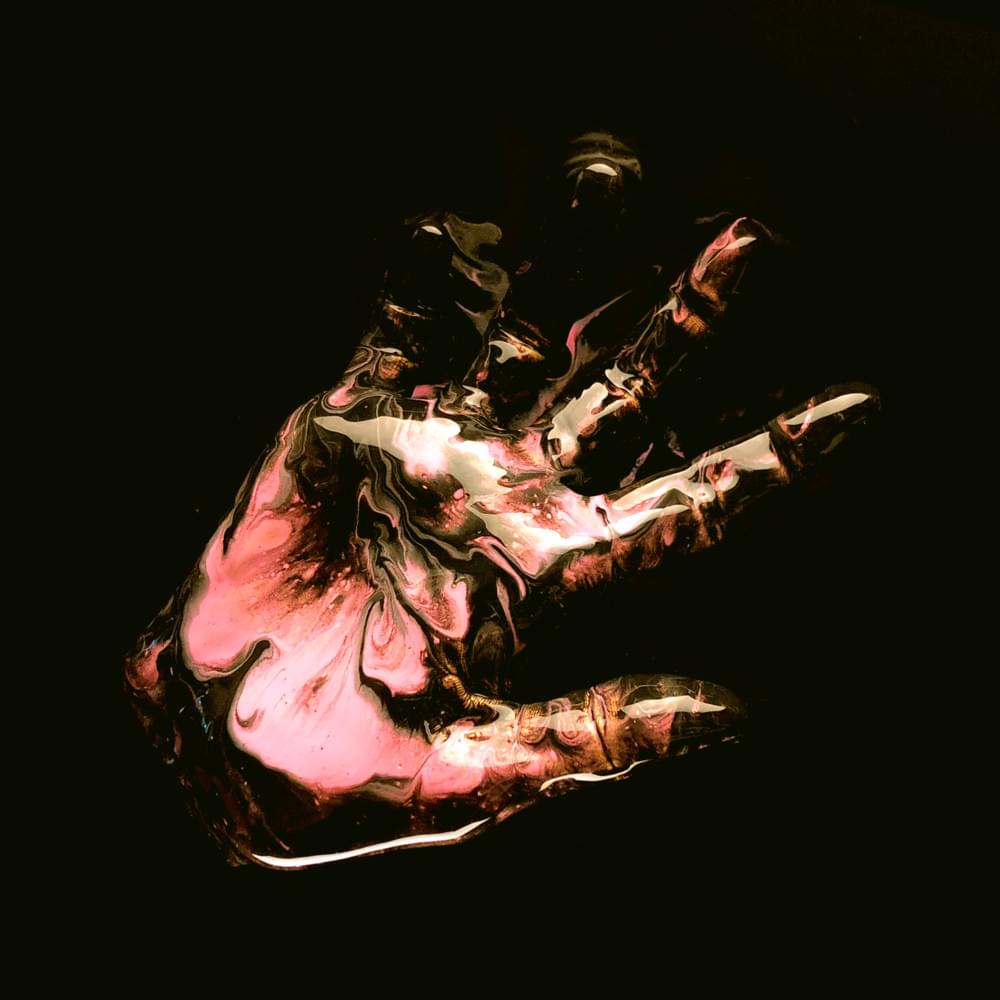
 View Artist