Song Meaning
The narrator is confronting a heavy burden, referred to as the "preachin blues," and intends to overcome it through prayer and a determined, almost personified, interaction with the "blues." The opening lines establish a ritualistic approach: folding arms and kneeling in prayer, a deliberate act meant to shed this oppressive feeling. The intention is clear: to leave the blues behind once the prayer is done, suggesting a hope for spiritual or emotional release.
The core tension lies in the narrator's direct engagement with the "blues," which is personified as a man. This isn't a passive suffering; the narrator greets the blues and offers a hand, a bold move that implies an attempt to understand or even control the source of their distress. This interaction is framed by a declaration of mental peace: "ain't nothing now baby, Lord that's gon' worry my mind," indicating a newfound resolve to not be consumed by worry.
The most striking aspect is the narrator's commitment to "preach these gospel blues," a phrase that twists the typical understanding of the blues. Instead of being a victim, the narrator seems to embrace the message inherent in their struggle, intending to share it. This is further emphasized by the call to action in the final verse: "When the spirit comes, I want you to jump straight up and down," suggesting that the blues, when preached as gospel, can become a source of powerful, energetic expression and communal uplift.
This lyrical approach is effective because it transforms a potentially overwhelming sense of despair into an active, almost defiant, spiritual practice. The narrator doesn't just want to escape the blues; they want to preach them, turning personal hardship into a message of resilience and communal catharsis. The imagery of personifying the blues and then offering a hand, followed by the command to "jump straight up and down," creates a dynamic arc from burden to liberation.
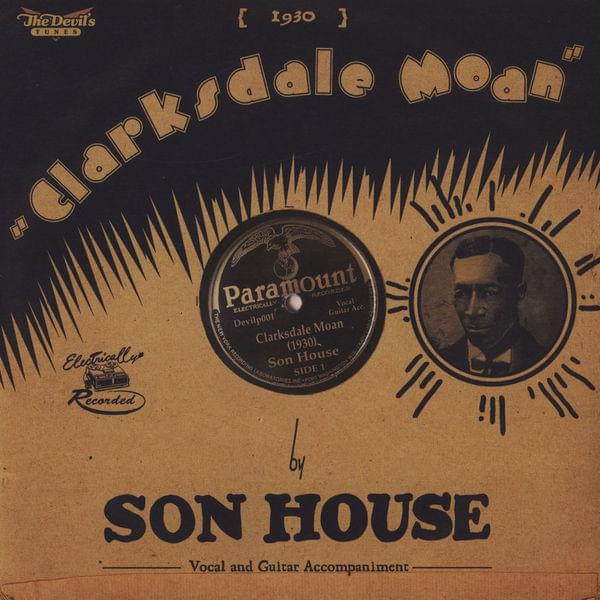
 View Artist