Song Meaning
The lyrics paint a picture of a past connection, hazy and idealized, carried on "silver waves" in "folded paper boats." The narrator is fixated on a specific person, or perhaps a memory of them, acknowledging it might be a "reflection." This sense of unreality is amplified by the idea of sailing with unspoken words, suggesting a relationship defined by what was held back rather than what was shared. The imagery of fragile, handmade boats underscores the delicate and perhaps temporary nature of this bond.
The core tension lies in the contrast between the narrator's intense past intimacy and their present detachment. "In one place, at one time, I knew you better than anyone" speaks to a peak moment of understanding and connection. Simultaneously, the narrator recalls a sense of self-discovery: "I knew that I was someone." This suggests the relationship, at its height, was formative, allowing the narrator to grasp their own identity. The repetition of "I knew that I was someone" emphasizes how profound this realization was, tied directly to the presence of the other person.
Verse 2 introduces a subtle critique of the other person's romanticized worldview, described as an "ability to see everything romantically." This perspective is so pervasive it's almost imperceptible to the narrator, whose own identity is being shaped by it: "Your sound's so low, I never hear it changing me." The narrator follows along, perhaps passively, to the soundtrack of "useless love song[s]," implying a cycle of idealized but ultimately hollow romantic narratives. The repeated phrase "I've heard them all" suggests a weariness with this pattern, even as they remain caught within it.
Ultimately, the effectiveness of these lyrics stems from their evocative, melancholic portrayal of a lost intimacy and a formative self-awareness. The fragile imagery of paper boats carrying unspoken wishes and unmade decisions creates a powerful sense of wistful regret. The narrator's journey seems to be one of recognizing the intensity of a past connection and its role in shaping their sense of self, even as they acknowledge the ephemeral and perhaps illusory nature of that bond.
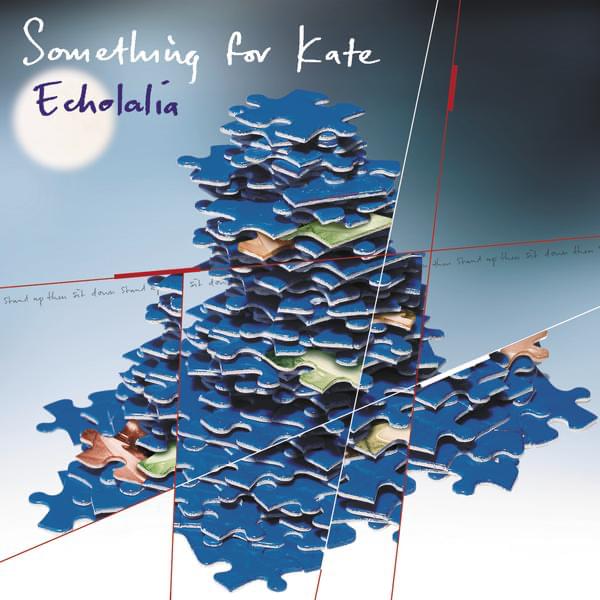
 View Artist