Song Meaning
The lyrics paint a picture of a desperate plea for liberation, framed by a transactional and almost violent exchange of affection and resources. The opening lines, "Take my love / Steal my fire," immediately establish a tone of forceful appropriation, setting the stage for a narrative where personal essence is plundered. This is amplified by the imagery of bureaucratic control: "Stamp my book and check my colour / Validate and certify," suggesting an external force attempting to categorize and legitimize the narrator's very being. The narrator’s willingness to endure harm – "Set me free I'll take a bullet" – underscores a profound desire to escape this oppressive system, even at great personal cost.
The central tension arises from the conflict between this yearning for freedom and the pervasive sense of being trapped and exploited. The repeated refrain, "Won't you let it fall away / You will find her," hints at a potential escape route, perhaps through a connection with another person or a different state of being. However, this hope is constantly undercut by the harsh realities described: "There's no place to stay / Try a new road / Say you'll walk away." The lyrics suggest a cyclical struggle where attempts to break free are met with further demands and betrayals, as seen in the lines "Rip me off and fleece my children / Rinse my coin and snuff my flame."
The most striking aspect of the writing is its juxtaposition of tender emotional language with brutal, almost criminal, actions. Phrases like "Hold her heart before it's broken" offer a glimpse of genuine care, but they are embedded within a context of theft and manipulation. The island metaphor, "There's no loot left on this island / Big enough to satisfy," powerfully conveys a sense of ultimate depletion and futility. This creates a disorienting effect, where acts of love are intertwined with profound violation, making the narrator's plight feel both deeply personal and disturbingly transactional.
Ultimately, the effectiveness of these lyrics lies in their unflinching portrayal of a soul under siege, stripped bare by external forces. The narrator’s journey, or rather their struggle for one, is defined by this constant push-and-pull between a desire for authentic connection and the crushing weight of a system that demands conformity and offers only exploitation. The final lines, "Feel my love, forget my colour / Validated certified," offer a complex resolution, suggesting a potential reclaiming of identity, but one that is still framed by the language of validation, leaving a lingering sense of ambiguity about true freedom.
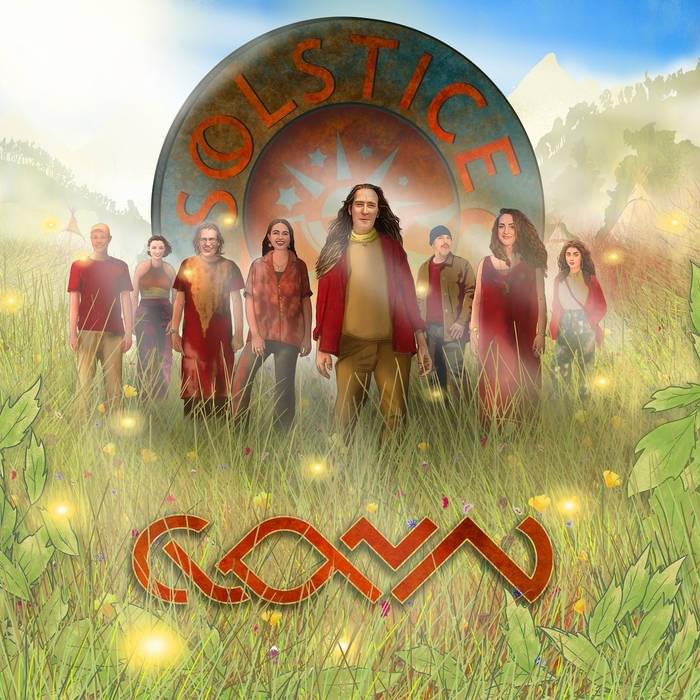
 View Artist