Song Meaning
This track plunges into a fever dream of forbidden desire and cosmic dread. The narrator confesses a dream of "nighted vales, betwixed time and light," immediately establishing a liminal space where conventional morality seems to warp. The imagery of "silent, unclean" rain and a "lascivious, beckoning" gate suggests a transgression, a pull toward something dark and primal that feels both alluring and dangerous. The language is dense, almost occult, hinting at a spiritual or psychological journey into forbidden territories.
The central tension arises from the conflict between a plea for forgiveness and an unyielding pursuit of this dark path. The repeated "Forgive me father" frames the entire experience as a sin, yet the narrator is simultaneously "unfetted, unleashed," actively seeking the forbidden "gate." This duality creates a powerful sense of internal struggle, where guilt wars with an irresistible, perhaps destructive, compulsion. The dream state itself becomes a confessional, a space where these opposing forces are laid bare.
The lyrical craft here is in its evocative, almost baroque vocabulary and its stark, unsettling imagery. Phrases like "Satyriasis vermivorous" and "Terous in angle citadels profane" paint a picture of grotesque, ancient corruption. The contrast between "Sol" (the sun, representing light and order) and the "black mountain" winds, along with the chilling question about Algol (a variable star associated with evil), amplifies the sense of cosmic horror. The lyrics suggest a deliberate turning away from the divine toward an unknown, potentially terrifying destiny.
Ultimately, the effectiveness of these lyrics lies in their ability to create a palpable atmosphere of dread and forbidden yearning. The narrator's solitary "walk alone" toward an "opaque, my own" destiny, despite the implied spiritual cost, resonates with a profound, albeit dark, sense of self-determination. It’s the sound of someone embracing their shadow, even if it means eternal damnation.
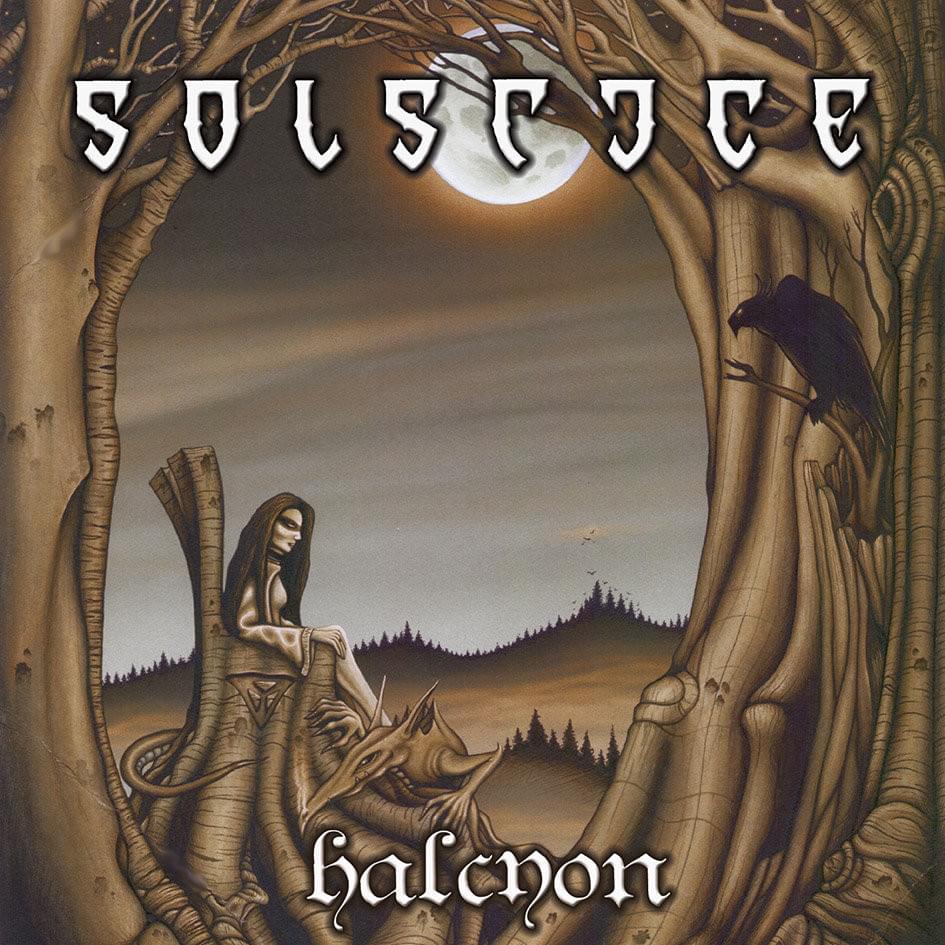
 View Artist