Song Meaning
The lyrics paint a stark picture of disillusionment, contrasting the mundane reality brought by daylight with the recurring, almost prophetic, intensity of ultraviolet light. This repetition suggests a cyclical, inescapable nature to the narrator's experience, where prophecies are renewed, perhaps hinting at a persistent, underlying truth or warning that daybreak obscures. The opening lines establish a tone of weary observation, setting the stage for a deeper dive into personal struggle and societal critique.
The central tension emerges from the narrator's perception of wasted potential and a desperate struggle for survival. There's a profound sense of loss in the phrase "mientras todavía puedo ver" (while I can still see), implying a fading ability to witness something precious, perhaps innocence or hope, as it's "malgastando el milagro a diario" (wasting the miracle daily). This is amplified by the visceral image of "escupinajos me abro paso entre el fuego" (spitting, I make my way through fire), a raw depiction of pushing through immense hardship, while simultaneously acknowledging the vulnerability of "niños tiernos se quemaran en este infierno" (tender children will burn in this hell).
The most striking aspect is the subversion of hopeful platitudes about youth. The narrator dismisses the idea that "la juventud somos el mañana" (youth are the tomorrow) with a defiant "Que mañana ni que huevos" (What tomorrow, my ass), revealing a deep-seated cynicism. This is followed by a powerful metaphor of vertigo and standing "al filo del abismo" (at the edge of the abyss), questioning whether the experience is one of violent rebirth ("sangre o es mi bautizo" - blood or my baptism). The narrator seems to reject easy labels or ideologies ("No me importa ese ismo" - I don't care about that -ism).
Ultimately, the effectiveness of these lyrics lies in their unflinching portrayal of a broken dreamscape. Despite the overwhelming despair and the acknowledgment of "alas rotas" (broken wings) carrying hope, the narrator invites the listener into this flawed, painful vision. The closing line, "Se bienvenido a mi sueño" (Be welcome to my dream), is not an invitation to a pleasant fantasy, but a stark, almost defiant, acceptance of a reality filled with struggle, lost innocence, and a flickering, battered hope.
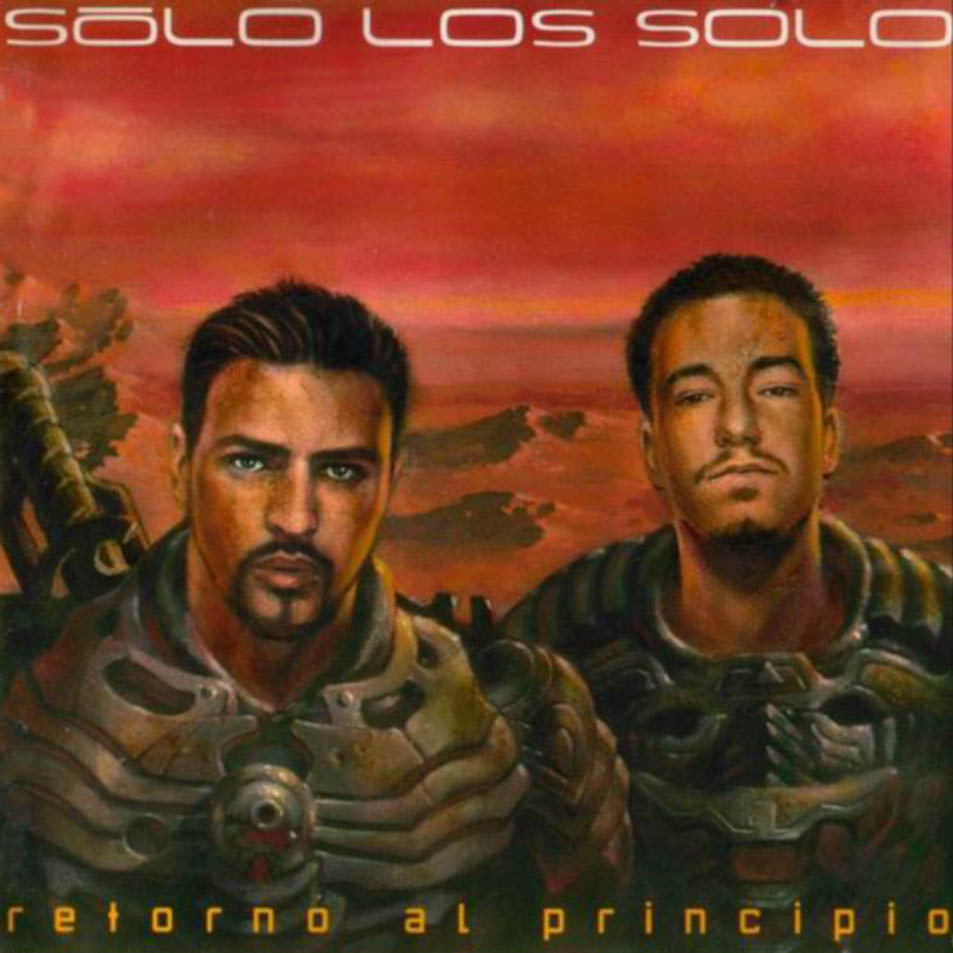
 View Artist