Song Meaning
The lyrics paint a stark contrast between childhood aspirations and adult reality. As a child, dreams were boundless, soaring like the sky or plunging into the ocean. The narrator remembers learning to fly and dive, suggesting a time of fearless exploration and perceived mastery. However, adulthood has brought a grounding, a loss of that initial freedom. The narrator now stands on the ground and on the water, having found a precarious 'balance' that ultimately fails, leading to falling and drowning. This shift highlights a profound sense of disillusionment.
The central tension lies in the narrator's struggle with immobility and regret. The repeated lines, "I can't go out of line / I cannot change my mind," reveal a feeling of being trapped in a predetermined path or mindset. This paralysis is amplified by the sense of wasted time, "I waste an eternity," and the desperate longing to undo past choices, "I wish I could turn back the time." The search for a "key that sets me free" underscores a desire for an external solution to an internal problem, a guarantee that seems perpetually out of reach.
The recurring motif of "self-deception" is the most potent lyrical device. It suggests that the narrator's current state isn't just unfortunate, but self-inflicted. The "lie" isn't necessarily a falsehood told to others, but an internal narrative that prevents growth or acceptance. The repeated question, "Who has the key that sets me free?" becomes increasingly poignant as the answer seems to be staring back in the mirror, masked by this self-deception. The drowning metaphor, following the earlier falling, intensifies the feeling of being overwhelmed and unable to escape.
This lyrical construction is effective because it taps into a universal feeling of lost potential and the frustrating inertia of adult life. The simple, declarative sentences in the chorus create a sense of inescapable truth, while the imagery of sky and ocean, once symbols of freedom, now serve as reminders of what has been lost. The persistent refrain of self-deception leaves the listener with a lingering sense of the narrator's internal conflict, a quiet desperation for an escape that might only be found by confronting the lies they tell themselves.
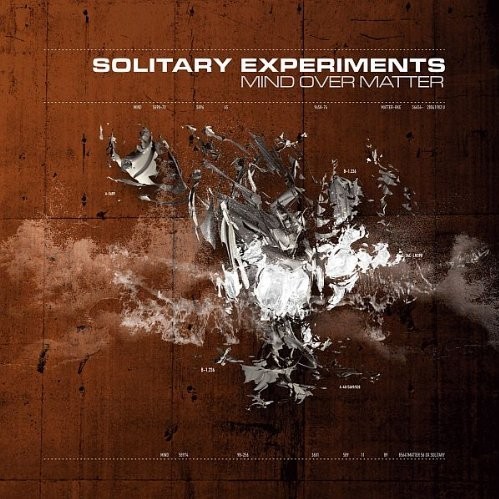
 View Artist