Song Meaning
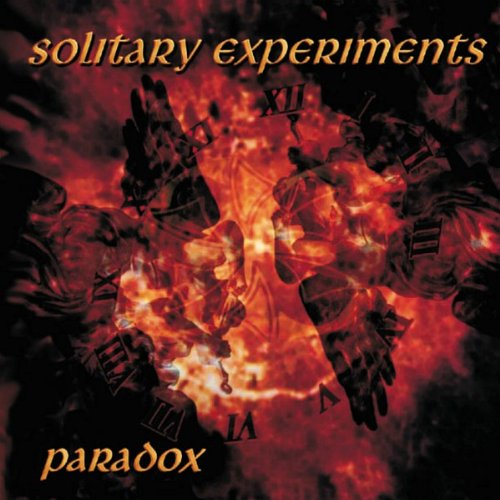
The lyrics paint a picture of ambitious, perhaps hubristic, technological advancement. There's a palpable drive for progress, framed as a quest for intelligence and industry dominance. The narrator asserts the high quality of their "product" and its importance to their "land," suggesting a nationalistic or corporate pride fueling this pursuit. This initial optimism, however, feels brittle, hinting at an underlying tension about the true cost of such rapid development.
The central conflict emerges from the juxtaposition of immense ambition and potential self-destruction. The desire to "defeat the time" and "fly" is powerful, but the destination is ominously vague: "Into the past, into the future, into decline." This suggests that the pursuit of ultimate control over time and progress might lead not to triumph, but to an inevitable downfall, a paradox at the heart of their endeavors.
The most striking element is the imagery of deforming velocity and breaking force fields, coupled with a "loss of orbital gravity." This scientific language creates a sense of cosmic instability, as if their technological leaps are pushing the boundaries of natural law. The phrase "no pangs of conscience" highlights a moral vacuum, where the ethical implications of their actions are ignored in the relentless push forward.
Ultimately, these lyrics resonate because they tap into a deep-seated anxiety about unchecked progress. The confident assertion of technological superiority clashes with the foreboding hints of collapse, creating a compelling narrative of ambition that might just outstrip its own grasp. The cyclical nature implied by flying into the past, future, and decline suggests a cautionary tale about the potential for innovation to become its own undoing.
 View Artist