Song Meaning
The lyrics paint a picture of a world weary of its own destructive patterns, a collective "enough is enough." It opens with a desire to shut out the harsh reality, to "hide ourselves in innocence" as a show begins, suggesting a deliberate avoidance of difficult truths. This initial act of turning off the light sets a tone of willful ignorance against a backdrop of escalating problems.
The core tension lies in the struggle to comprehend and accept loss, a recurring theme that seems to stem from a fundamental disconnect from common sense. The narrator observes a cycle of self-destruction, where "we're always falling to the ground, destroying everything we own." This repeated phrase, "enough is enough," acts as a desperate plea, a breaking point reached after an accumulation of pain and loss, questioning how much more suffering is required for understanding.
The imagery of a "pale candle light still burning" amidst a world where "the rain keeps falling" and "our world stops turning" offers a fragile symbol of hope or persistence. Even when external circumstances are dire and the tide "won't turning," this single light remains. It contrasts sharply with the larger, more destructive forces at play, suggesting that even a small, enduring light can persist against overwhelming darkness.
Ultimately, the lyrics question the very foundations of societal understanding and action, pointing to "false conclusion" and "existing rules" as catalysts for conflict. The final lines deliver a powerful indictment, suggesting that the "worst crime of it all is our apathy," a stark realization that inaction and indifference are the true culprits. This makes the plea of "enough is enough" not just about personal suffering, but a call to awaken from a collective stupor.
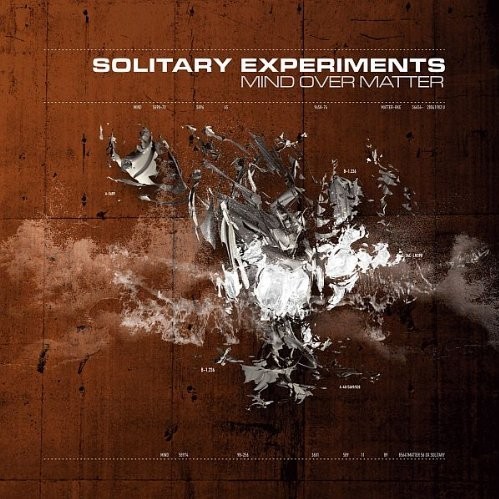
 View Artist