Song Meaning
The lyrics paint a stark picture of devastation, opening with the immediate aftermath of a catastrophic event described as "another act of crime." The scale is immense, with "thousands of innocent lives" lost, creating widespread fear and instability. The scene is one of utter destruction, where the natural order is inverted: "corrosive dust turns the day into night" and "biting smoke" obscures vision, leaving no place to "hide behind." This establishes a tone of profound shock and vulnerability.
The central conflict arises from the sheer destructive force unleashed, labeled as a "terrible overkill." The narrator expresses deep shame and sorrow, grappling with the idea that "it's in our nature to destroy." This internal struggle is amplified by the external reality of "suffering of hell" and the "crucial day as the humanity died." The lyrics suggest a profound sense of guilt and helplessness in the face of such overwhelming destruction, questioning the very essence of human behavior.
The most striking aspect of the writing is its visceral imagery, effectively conveying the sensory overload of disaster. Phrases like "flames of fire are rising high" and "down-falling wreckage from the sky" create a chaotic, terrifying tableau. The repetition of "We are the suffering of hell / Caused by a terrible overkill" hammers home the inescapable consequence of this destructive act, emphasizing the collective trauma and the indelible mark left on humanity's collective memory.
This lyrical approach works by immersing the listener in the immediate horror and then confronting them with the bleak philosophical implications. The raw, unadorned language, coupled with the stark contrast between innocence lost and the destructive act, creates a powerful emotional resonance. It forces a contemplation of responsibility and the devastating outcomes of unchecked aggression, leaving a lingering sense of disgust and sorrow.
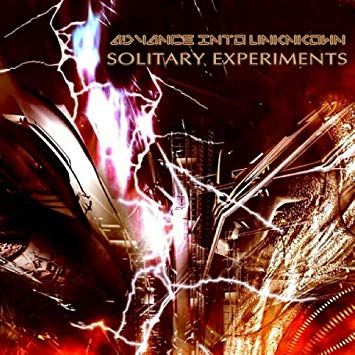
 View Artist