Song Meaning
The lyrics paint a picture of a descent into emotional turmoil, starting with a sense of foreboding that was ignored. The initial stages were perceived as enjoyable, but this quickly devolved into "strange behaviour" and a growing, undeniable pain. The narrator acknowledges a clear point where things went wrong, a "first indication" that was disregarded, leading to a situation that feels irreversible.
The central tension lies in the contrast between the narrator's initial ignorance and the current, overwhelming realization of their predicament. There's a palpable sense of regret for not heeding early warning signs, a feeling that the "first cut was the deepest" and that this realization has come "too late." This regret is amplified by the internal struggle, where "guilt leads to depression" and a pervasive feeling of insecurity, suggesting a deep-seated internal conflict.
The most striking element is the paradoxical phrase "bleed a rush of ecstasy." This juxtaposition of intense pain and euphoric release creates a disturbing image of self-destruction as a coping mechanism. The act of "silently sometimes I hurt myself" directly follows this, implying that the ecstasy is derived from or intertwined with self-inflicted pain, a desperate attempt to feel something, even if it's destructive. The lyrics suggest this is a "calm before the storm," a temporary, intense feeling before the inevitable breakdown.
This writing is effective because it captures a specific, unsettling psychological state with stark, unflinching language. The repetition of "I should have known" underscores the narrator's self-blame and the tragic inevitability of their situation. The stark imagery, like "scars remind me to my weakness," grounds the abstract emotional pain in tangible, albeit internal, evidence, making the descent feel both personal and profoundly isolating. The ultimate feeling is one of being trapped at a "point of no return."
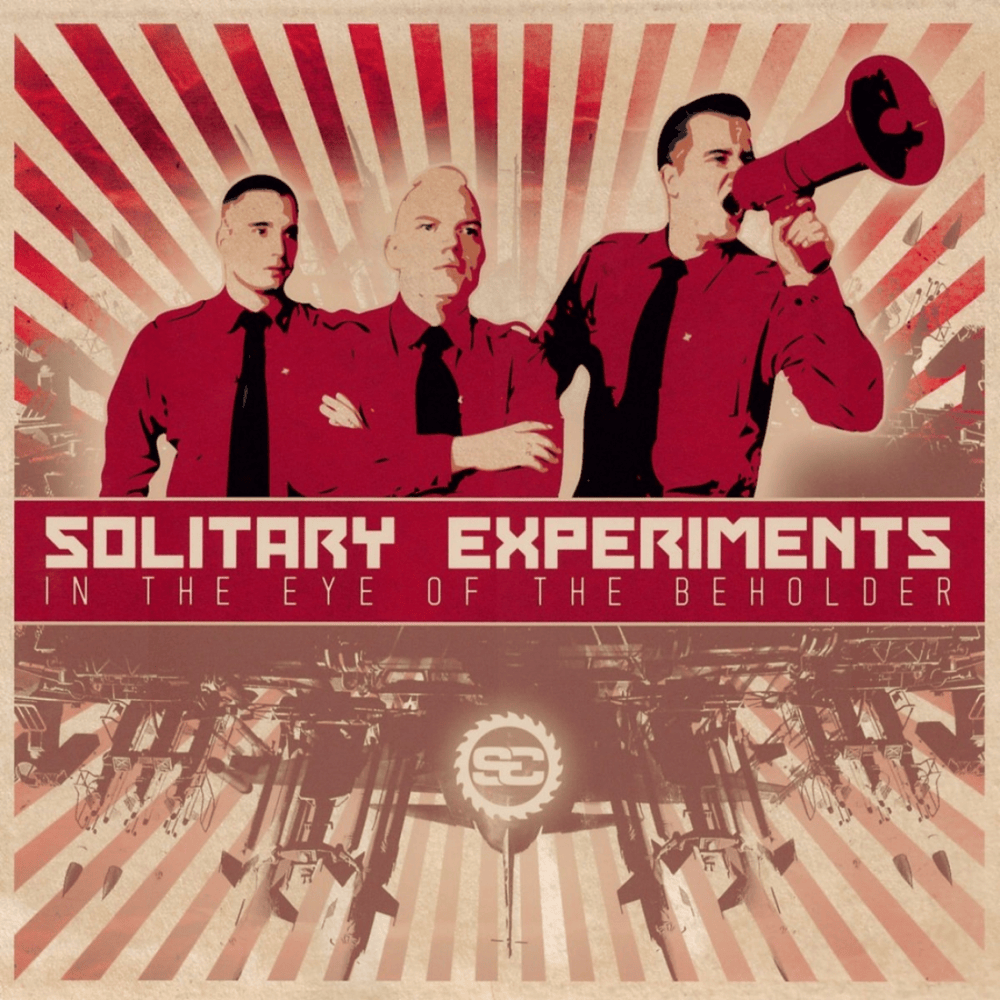
 View Artist